
Most sellers in Mid-Michigan understand that buyers will request a home inspection as part of the purchase process. What many sellers don't consider is getting inspected before the home ever hits the market. A pre-listing inspection — sometimes called a seller's inspection — is an optional but increasingly strategic step that gives you a clear, honest picture of your home's condition before a buyer's inspector finds it first.
In a market where transaction speed, pricing accuracy, and buyer confidence all matter, a pre-listing inspection can be the difference between a smooth sale and a months-long negotiation. Here's why more sellers should consider it.
What Is a Pre-Listing Inspection?
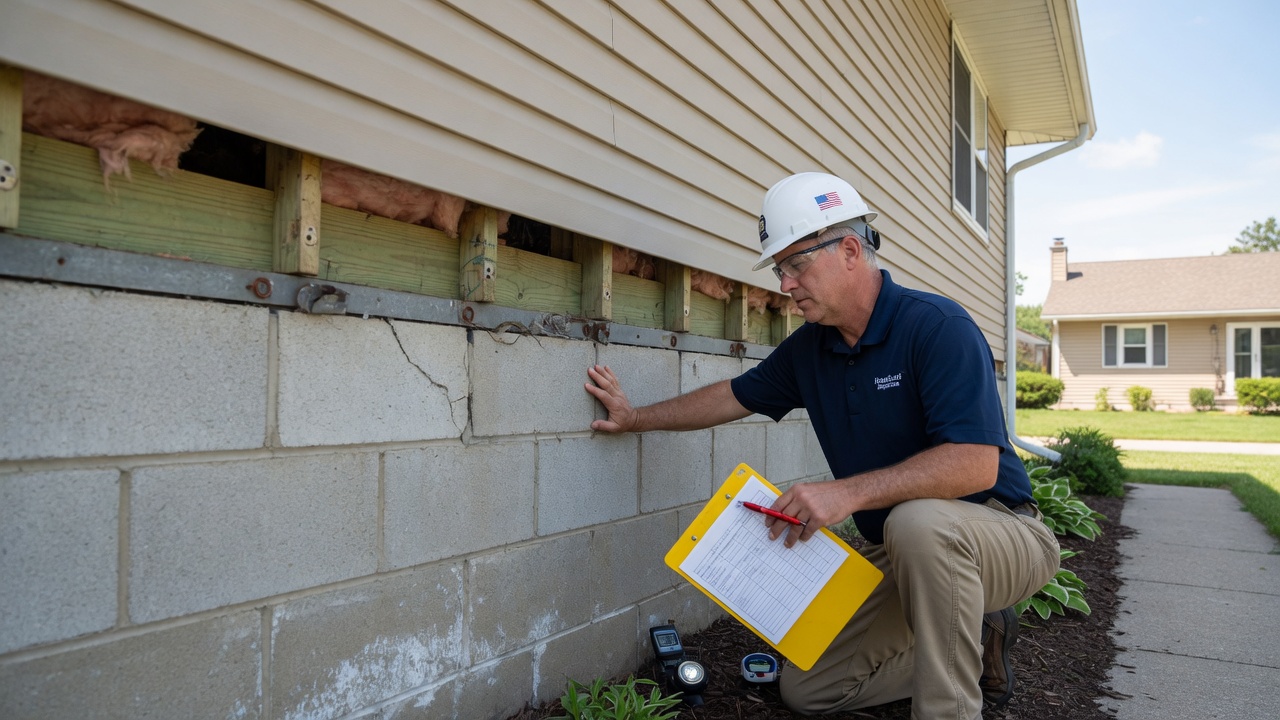
A pre-listing inspection is the same standard home inspection that a buyer would order — but the seller commissions it themselves, before listing the property. A licensed inspector evaluates all the major systems and structural components of the home, then delivers a detailed report identifying any defects, maintenance issues, or areas of concern.
The inspection typically costs between $300 and $500, depending on the size and age of the property. The report covers the same ground as a buyer's inspection: structural components, roofing, electrical, plumbing, HVAC, insulation, ventilation, and the interior and exterior of the home. For homes on well water or septic, additional specialized inspections can be added.
The key difference is timing and ownership. With a pre-listing inspection, you control the information — and you control what happens next.
The Case for Finding Issues First
The biggest risk in any real estate transaction is the unknown. When a seller lists a home without an inspection, they're essentially asking the market to discover the home's condition in real time — through the buyer's inspector. That discovery process often leads to one of three outcomes, none of which are ideal:
- Surprise findings derail negotiations. When a buyer's inspector discovers something unexpected — a failing furnace, foundation cracks, outdated electrical — the buyer's confidence drops. What was a clean offer becomes a tense repair negotiation, or the buyer walks away entirely.
- Buyers assume the worst. Even minor findings can feel major to a nervous buyer. A 30-page inspection report with photos of maintenance items — things that are completely normal for a home of any age — can trigger buyer anxiety and lead to overly aggressive repair requests.
- Deals fall through. In the worst cases, inspection findings lead to renegotiated prices, cancelled deals, and homes that return to the market — where they often sell for less than they would have originally. Each day back on the market costs you both time and leverage.
A pre-listing inspection eliminates all three of these risks. You know exactly what the home's condition is before anyone else does — and you can address issues proactively.
Fixing Issues Upfront Creates Pricing Confidence
One of the most valuable outcomes of a pre-listing inspection is the pricing clarity it provides. When you know the condition of every major system in the home, you can price it accurately from day one — without building in a "just in case" cushion that might scare off buyers or without underpricing because you're worried about what the inspection might reveal.
Consider this scenario: a seller lists a home at $350,000 without an inspection. The buyer's inspector discovers the HVAC system is 22 years old and nearing failure, the roof has 3–5 years of remaining life, and there are moisture signs in the basement. The buyer requests $15,000 in repairs or credits. The seller, who had no idea these issues existed, is caught off guard — and now the deal is in jeopardy.
Now consider the alternative: the seller gets a pre-listing inspection, discovers the same issues, and addresses them before listing. They replace the HVAC unit, provide a roof certification, and fix the drainage issue. The home lists at $359,000 — justified by the improvements — and sells cleanly with no repair requests.
The cost of the pre-listing inspection ($300–$500) and the targeted repairs is almost always less than the cost of a protracted negotiation, a price reduction, or a deal that falls through.
Smoother Transactions, Faster Closings
In Mid-Michigan's competitive market, transaction speed matters. Homes that sell cleanly — without repair negotiations, without extended inspection contingencies, and without buyer anxiety — close faster and with fewer complications.
A pre-listing inspection contributes to that smoothness in several concrete ways:
- Reduced inspection contingency risk. When buyers see that the seller has already invested in an inspection and addressed the findings, they feel more confident about the home's condition — and are less likely to make aggressive requests during their own inspection.
- Shorter time on market. Homes with pre-listing inspections available tend to spend fewer days on the market. Buyers appreciate transparency, and the availability of a pre-inspection report signals a well-maintained property.
- Fewer renegotiations. The most stressful part of any transaction is the period between the buyer's inspection and the resolution of findings. Pre-listing inspections dramatically reduce the scope and severity of this negotiation — often eliminating it entirely.
- Stronger appraisal position. When you've completed documented repairs with receipts and permits, the appraisal process is cleaner. The appraiser sees evidence of maintenance, and the lender sees reduced risk.
Buyer Appeal: Transparency Builds Trust
Today's buyers are more informed than ever. They research online, read articles, and come to showings with a checklist of concerns. When a seller provides a pre-listing inspection report — along with documentation of any repairs completed — it sends a powerful message: this seller has nothing to hide.
In competitive bidding situations, that transparency can be a decisive advantage. Buyers who see a clean pre-inspection report feel confident about the home's condition, and that confidence translates into stronger offers and fewer contingencies. In multiple-offer scenarios, the listing with full transparency often attracts the most aggressive bids.
The same trust dynamic applies to marketing. When the listing description can reference completed inspections, documented repairs, and verified system ages, it differentiates the property from every other listing on the market. Buyers don't have to wonder — they know.
What Michigan-Specific Issues Should Sellers Watch For?
Michigan's climate and housing stock create a specific set of issues that inspectors commonly flag. Knowing about these in advance — and addressing the ones that matter — is the core value of the pre-listing approach:
- Moisture and basement water issues — Michigan's heavy snowfall and spring thaws put constant pressure on foundations. Efflorescence, water stains, and improper grading are among the most common inspection findings. Addressing drainage, downspout extensions, and sump pump upgrades before listing can prevent a major negotiation point.
- Roofing condition — Michigan's snow loads, ice dams, and temperature fluctuations take a toll on shingles. If your roof is approaching the end of its useful life (typically 20–25 years for asphalt), addressing it before listing eliminates one of the most common buyer concerns.
- Electrical systems in older homes — Knob-and-tube wiring, aluminum wiring, and outdated panels are common in Mid-Michigan homes built before 1980. Identifying and upgrading these systems before listing removes a significant buyer objection.
- HVAC age and condition — In Michigan, your furnace is one of the most scrutinized systems in the home. A furnace over 15 years old will be flagged, and buyers will discount accordingly. Replacing or servicing the system before listing puts you in control of the narrative.
- Radon levels — Michigan has varying radon levels across the state. Testing before listing — and installing a mitigation system if needed — removes uncertainty and demonstrates responsible homeownership.
When a Pre-Listing Inspection Makes the Most Sense
While pre-listing inspections are valuable for any property, they're particularly strategic in these situations:
- Older homes (pre-1980) — Homes in this age range are most likely to have systems and materials that trigger buyer concern. A pre-inspection identifies these issues early and gives you time to address them strategically.
- Homes that haven't been updated recently — If the roof, HVAC, or electrical panel hasn't been touched in 15+ years, the inspection will likely find items worth addressing. Better to know now than during negotiations.
- Homes with known issues — If you're aware of a past water intrusion event, a cracked foundation wall, or a system that needs replacement, the pre-listing inspection lets you handle it on your terms rather than the buyer's.
- Higher-priced listings — In the $500K+ market, buyer expectations are higher and scrutiny is more intense. A pre-listing inspection demonstrates the quality and condition that justifies premium pricing.
- Estate sales or inherited properties — When the seller hasn't lived in the home and may not know its full condition, a pre-listing inspection provides essential information for accurate pricing and realistic expectations.
How to Handle the Findings
Getting a pre-listing inspection is only half the equation — knowing what to do with the results is the other half. Here's a practical framework:
- Address safety hazards and major defects. These are non-negotiable. Replacing a failing furnace, upgrading an unsafe electrical panel, or repairing structural issues before listing removes the most deal-threatening findings from the equation.
- Consider the cost-benefit of repairs. Not every finding needs to be fixed. A minor code deficiency or a cosmetic issue isn't worth repairing if the cost outweighs the return. Your agent can help you prioritize based on market impact and buyer perception.
- Document everything. Keep receipts, permits, and contractor invoices for all completed work. This documentation becomes part of your disclosure package and builds buyer confidence during the transaction.
- Disclose honestly. If you choose not to repair an item, disclose it. Michigan law requires sellers to disclose known material defects. Transparency protects you legally and builds trust with buyers.
The Bottom Line
A pre-listing inspection is one of the smartest investments a seller can make. For $300 to $500, you get certainty — certainty about your home's condition, certainty about your pricing, and certainty about the transaction ahead. You eliminate surprises, reduce negotiation friction, and present your home to the market with the confidence that comes from knowing exactly what you're selling.
In Mid-Michigan's competitive market, where well-priced homes sell quickly and buyer expectations are high, that confidence translates directly into better outcomes — faster sales, fewer complications, and stronger final prices.
I recommend pre-listing inspections to virtually every seller I work with, and I coordinate the process as part of a comprehensive listing preparation strategy. Combined with proper staging, accurate pricing, and strategic marketing, it's one of the most effective ways to position your home for success.
Schedule a consultation or contact me directly — let's talk about preparing your home for a smooth, successful sale.