
Drive through the rural and semi-rural areas of Mid-Michigan — the farmland of Lapeer County, the wooded acreage of northern Genesee County, the rolling terrain of Shiawassee and western Livingston County — and you'll notice that many homes don't connect to municipal water or sewer lines. Instead, these properties rely on private wells for drinking water and septic systems for wastewater treatment. For buyers accustomed to municipal utilities, this can feel unfamiliar — even intimidating. But with the right information and proper inspections, a home with well and septic can be just as reliable and often more affordable than a comparable property connected to public utilities.
This guide covers what every Mid-Michigan buyer should understand about well and septic systems — how they work, what inspections reveal, what maintenance costs to expect, and how they differ from the municipal systems most buyers take for granted. Whether you're looking at a five-acre parcel in Metamora, a country home near Durand, or a wooded lot in Groveland Township, this information will help you evaluate the property with confidence.
How a Private Well Works
A private well is a hole drilled into the earth to access groundwater, which is then pumped to the surface for household use. In Mid-Michigan, most residential wells are drilled wells reaching bedrock or deep sand and gravel aquifers, though some older properties may have driven or dug wells. A standard residential well typically reaches depths of 100 to 300 feet depending on local geology and water table conditions.
The system includes several components that buyers should be aware of:
- Well casing and cap: The steel or PVC pipe that lines the well bore and the sealed cap at ground level that prevents surface contamination from entering the well. A damaged or missing cap is a red flag during inspection.
- Submersible pump: Located deep inside the well, this electric pump pushes water to the surface and into the home's plumbing system. Most submersible pumps last 10 to 15 years before needing replacement. Replacement cost: $1,500 to $3,000 installed.
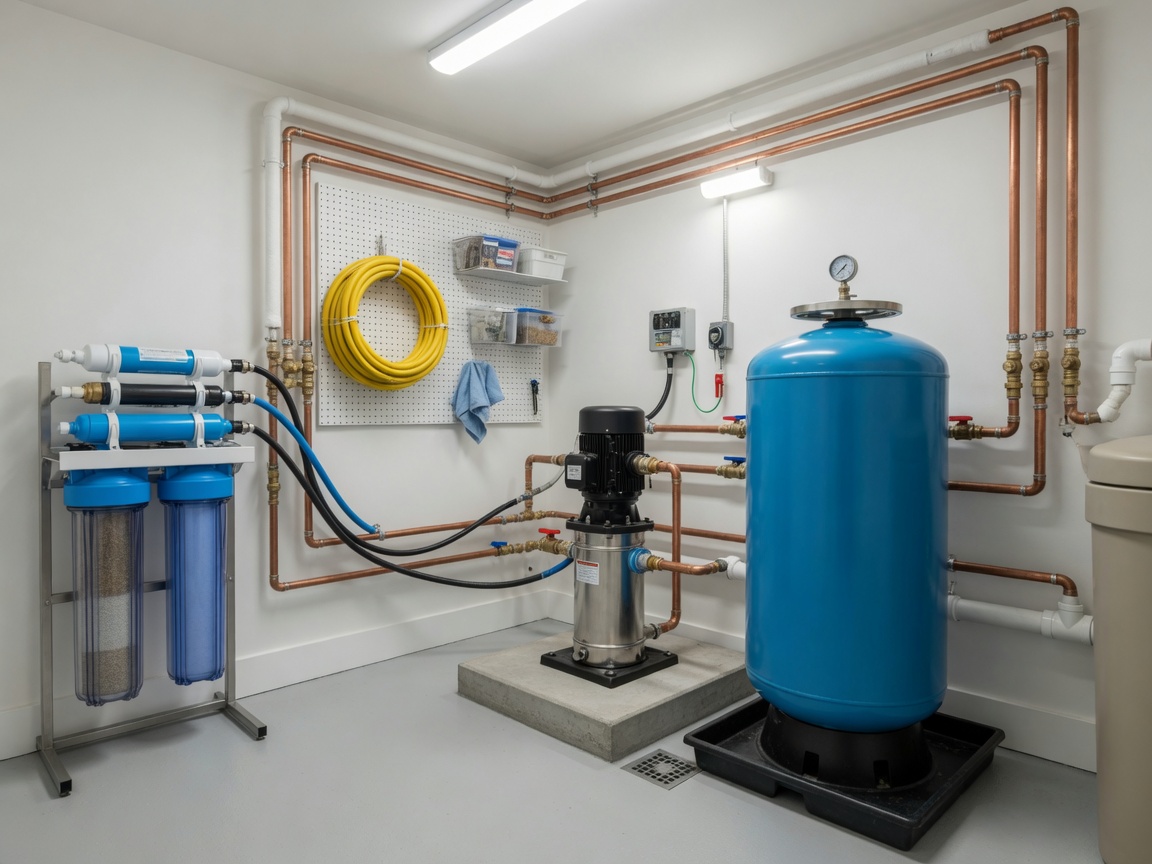
- Pressure tank: Located in the basement or utility room, the pressure tank maintains consistent water pressure throughout the home. A typical pressure tank lasts 10 to 15 years. Replacement cost: $300 to $800.
- Water treatment system: Many well water systems include filtration, softening, or UV treatment to address hardness, iron, manganese, or bacteria. Treatment needs vary by well and are identified through water quality testing.
How a Septic System Works
A septic system is an on-site wastewater treatment system. All of the home's wastewater — from toilets, sinks, showers, and appliances — flows into a septic tank buried underground, where solids settle to the bottom and liquids are partially treated before flowing out to a drain field (also called a leach field). The drain field distributes the liquid wastewater into the soil, where natural biological processes complete the treatment before the water reaches the groundwater.
Most residential septic systems are conventional gravity systems with a tank and drain field. In areas with poor soil conditions, high water tables, or limited space, mound systems or engineered systems may be required. These are more expensive to install but function on the same basic principles.
A standard residential septic tank in Michigan is typically 1,000 to 1,500 gallons and is constructed of concrete, fiberglass, or polyethylene. The tank should be pumped every three to five years depending on household size and water usage — a routine maintenance task that costs approximately $300 to $500 in the Mid-Michigan area.
Inspection Requirements: What Buyers Should Know
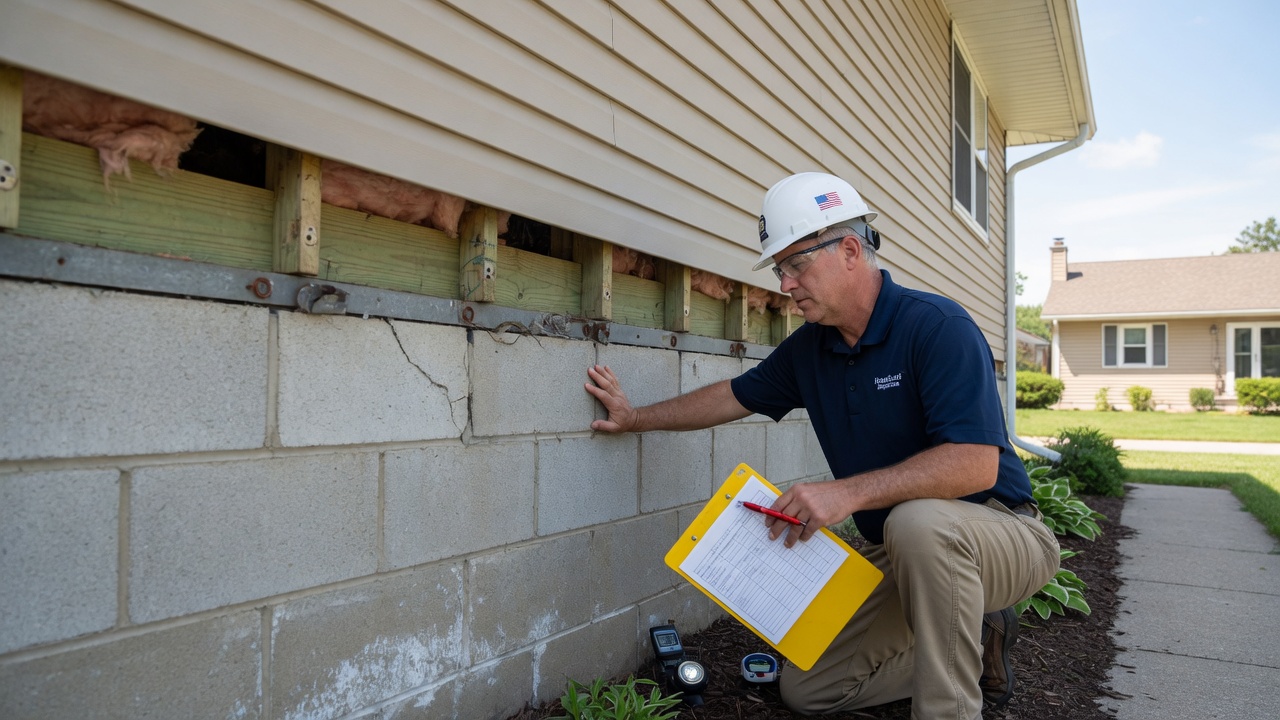
If you're buying a home with a well and septic system, specialized inspections are essential — and they're different from the standard home inspection that covers the structure, roof, HVAC, and electrical systems. Here's what to expect:
Well Inspection
A well inspection evaluates the functionality, condition, and water quality of the private water system. A comprehensive well inspection includes:
- Flow rate test — Measures how many gallons per minute the well produces. A standard residential well should deliver at least 3 to 5 gallons per minute. Below 3 GPM may indicate a declining water table or a well that's undersized for the household.
- Static water level test — Measures the depth of water in the well when the pump isn't running, indicating the water table level.
- Pump and pressure system evaluation — Tests the submersible pump, pressure tank, and electrical connections for proper operation.
- Water quality testing — Laboratory analysis for bacteria (total coliform and E. coli), nitrates, iron, manganese, hardness, pH, and other contaminants. Michigan recommends testing at least annually and whenever there's a change in taste, color, or odor.
Cost: A standard well inspection costs $300 to $600, with water quality lab testing adding an additional $100 to $300 depending on the number of parameters tested.
Septic Inspection
A septic inspection evaluates the condition and functionality of the septic tank, drain field, and associated components. A thorough septic inspection includes:
- Tank location and access — Locating the septic tank (which may not be visible at the surface), uncovering access ports, and confirming the tank size and material.
- Liquid level check — Evaluating the liquid levels in the tank to identify potential backup, blockage, or drain field failure. Levels that are higher than the outlet pipe indicate a problem downstream.
- Scum and sludge measurement — Measuring the thickness of the scum layer (floating solids) and sludge layer (settled solids) to determine when the tank last was pumped and whether it's due.
- Drain field inspection — Checking for signs of drain field failure, including soggy ground, lush vegetation over the drain field, sewage odors, or surfacing effluent. A failed drain field is the most expensive septic system repair.
- Pumping (if needed) — Many inspectors recommend pumping the tank during the inspection to get a clear view of the tank interior and confirm there are no cracks, leaks, or structural issues.
Cost: A standard septic inspection costs $300 to $600, which typically includes pumping. If the inspection reveals issues requiring further evaluation — such as a camera inspection of the drain field lines — additional costs may apply.
Ongoing Maintenance Costs
Buyers should budget for the ongoing maintenance costs associated with well and septic systems. These costs are generally modest — and far less than the monthly water and sewer bills that municipal utility users pay — but they do require planning:
| Maintenance Item | Frequency | Typical Cost | Notes |
|---|---|---|---|
| Septic tank pumping | Every 3–5 years | $300–$500 | Depends on tank size and household |
| Water quality testing | Annually | $100–$300 | At minimum, test for bacteria and nitrates |
| Water treatment filters | Every 3–12 months | $50–$200/year | Depends on system type |
| Water softener salt | Monthly | $150–$300/year | Only if softener is installed |
| Submersible pump replacement | Every 10–15 years | $1,500–$3,000 | Including labor |
| Pressure tank replacement | Every 10–15 years | $300–$800 | Including labor |
| Septic system replacement | 20–30+ year lifespan | $10,000–$30,000 | Only when system reaches end of life |
When you add up the routine annual costs — septic pumping amortized over years, water testing, filter replacements, and salt — the total is typically $300 to $600 per year. Compare that to the monthly water and sewer bills that municipal users pay, which can run $80 to $150+ per month ($960 to $1,800+ per year) in many Mid-Michigan communities. Well and septic ownership often costs less over time, especially for larger households.
Well and Septic vs. Municipal Utilities: Key Differences
For buyers weighing a property with well and septic against one connected to municipal water and sewer, here are the key differences:
- Monthly costs: Municipal utilities carry fixed monthly bills regardless of usage. Well and septic have no monthly "utility bills" — just periodic maintenance costs that are generally lower over time.
- Control: With a private well, you control your own water supply. There are no municipal rate increases, no water restrictions during drought, and no boil-water advisories from the city. However, you're also responsible for quality and maintenance.
- Backup responsibility: Municipal utilities are maintained by the city or township. If your well pump fails at 2 a.m., you're calling a private well contractor — not the city. The same applies to septic issues. This means having a relationship with a local well and septic contractor is important.
- Property value: Properties with well and septic are common and valued appropriately in rural and semi-rural markets. Buyers in these areas generally expect these systems and don't view them as a negative — they're part of the rural living equation.
- Environmental: Well water is naturally filtered through the earth and many buyers prefer it over chlorinated municipal water. Septic systems treat wastewater on-site using natural biological processes, which many environmentally conscious buyers view favorably.
Where Well and Septic Are Common in Mid-Michigan
In Mid-Michigan, well and septic systems are common throughout the rural and semi-rural areas of every county. Some of the areas where buyers are most likely to encounter well and septic properties include:
- Lapeer County — Metamora, Attica, Dryden, North Branch, and most rural areas outside the city of Lapeer.
- Northern Genesee County — Areas around Goodrich, Clio, and the rural townships between communities.
- Shiawassee County — Much of the county outside Owosso and Corunna relies on well and septic, including Durand, Chesaning, and Perry areas.
- Groveland and northern Oakland County — Holly and Groveland Township have many properties on well and septic, particularly on larger lots and lake properties.
- Rural Livingston County — Pinckney, Hamburg Township, and the lake communities in western Livingston County frequently use well and septic.
For a full overview of these communities, see our Communities directory.
Red Flags to Watch For During Your Inspection
While well and septic systems are generally reliable when properly maintained, certain findings during an inspection warrant close attention — and potentially negotiation on price or repair requirements:
- Low well yield (below 3 GPM): A well that produces less than 3 gallons per minute may not adequately supply a household, especially with multiple bathrooms and appliances running simultaneously. Drilling a deeper well is expensive ($5,000 to $15,000+) and may not guarantee better results.
- Positive bacteria test: If the water quality test shows the presence of total coliform or E. coli bacteria, the well needs disinfection (typically a chlorination shock treatment). This is usually a straightforward fix, but it should be completed before closing.
- High nitrate levels: Nitrates above 10 mg/L are a health concern, particularly for households with infants. Elevated nitrates in rural areas are often associated with agricultural activity or older septic systems. Treatment systems can address this, but the source should be identified.
- Soggy drain field or sewage odors: These are primary indicators of drain field failure. A failing drain field is the most expensive septic repair — potentially requiring full system replacement at $15,000 to $30,000+. This finding should be addressed in price negotiations.
- Unknown maintenance history: A seller who can't provide records of septic pumping or well maintenance raises concerns about whether the systems have been properly cared for. Budget for an immediate inspection and potential maintenance upon purchase.
Tips for Buyers Considering a Well and Septic Property
- Always get specialized inspections. A standard home inspection does not cover well or septic systems in detail. Hire a licensed well inspector and a licensed septic inspector — these are separate from your general home inspector. Budget $600 to $1,200 total for both inspections.
- Ask for maintenance records. Request documentation of septic pumping history, well inspections, and any repairs or upgrades. A well-maintained system is a strong indicator of a responsible seller.
- Know the age of the systems. Septic drain fields typically last 20 to 30 years. Well pumps last 10 to 15 years. Pressure tanks last 10 to 15 years. If the systems are near the end of their expected lifespan, factor potential replacement costs into your offer.
- Consider the insurance angle. Homeowner's insurance typically does not cover well pump failure or septic system failure. Some companies offer optional well and septic coverage, or you can budget a repair reserve. It's worth discussing with your insurance agent.
- Identify a local contractor. Before closing, identify a licensed well contractor and a septic service provider in your area. Having these relationships established before you need emergency service is valuable. Ask your inspector or neighbors for recommendations.
The Bottom Line
Buying a home with a well and septic system is a normal part of the rural and semi-rural real estate market in Mid-Michigan. These systems are reliable, cost-effective, and widely understood by buyers, sellers, and lenders in the area. The key is proper inspection, reasonable maintenance, and informed decision-making. Don't let the unfamiliarity of well and septic systems deter you from a property that might otherwise be exactly what you're looking for — especially when the alternative is more space, more privacy, and often a lower purchase price than comparable properties with municipal utilities.
For a broader guide to what to understand before buying in the region, see our What to Know Before Buying in Genesee County. And for a complete overview of the inspection process, see our Home Inspection Process guide.
Schedule a consultation to discuss your home search — including properties with well and septic — or contact me directly. I regularly help buyers evaluate rural properties and can connect you with trusted inspection professionals in the area.