
Michigan has long been one of the most accessible and livable states in the Midwest — and for good reason. From the vibrant cultural scenes of Detroit and Ann Arbor to the quiet beauty of northern forests and Great Lakes shorelines, Michigan offers an extraordinary range of lifestyles at a cost of living that consistently ranks below the national average. Whether you're relocating for work, family, retirement, or simply a change of pace, this guide covers everything you need to make a confident move.
I've been helping people relocate to Mid-Michigan for over a decade, and the questions I hear most often are remarkably consistent: What does it actually cost to live here? How are the schools? What's the job market like? What do I need to know about Michigan taxes? Below, I'll walk you through each of these topics and explain why Genesee County, Oakland County, Livingston County, Lapeer County, and the broader Mid-Michigan region make an excellent landing spot.
Cost of Living: What Your Dollar Actually Buys
One of the most compelling reasons people choose Michigan is affordability. According to the Council for Community and Economic Research, Michigan's overall cost of living sits roughly 3–5% below the national average. Housing costs in particular are a major draw — the statewide median home price consistently tracks well below the national median, and in Mid-Michigan counties like Genesee, Lapeer, and Shiawassee, buyers find even greater value.
What does that mean in practical terms? A family earning $75,000 annually in Mid-Michigan often enjoys a standard of living comparable to what would require $100,000 or more in coastal metro areas. Groceries, transportation, and utilities tend to be moderate. Michigan's auto insurance rates have historically been high, but recent legislative reforms have brought meaningful relief for drivers. Health insurance costs through the state marketplace are competitive, especially for families.
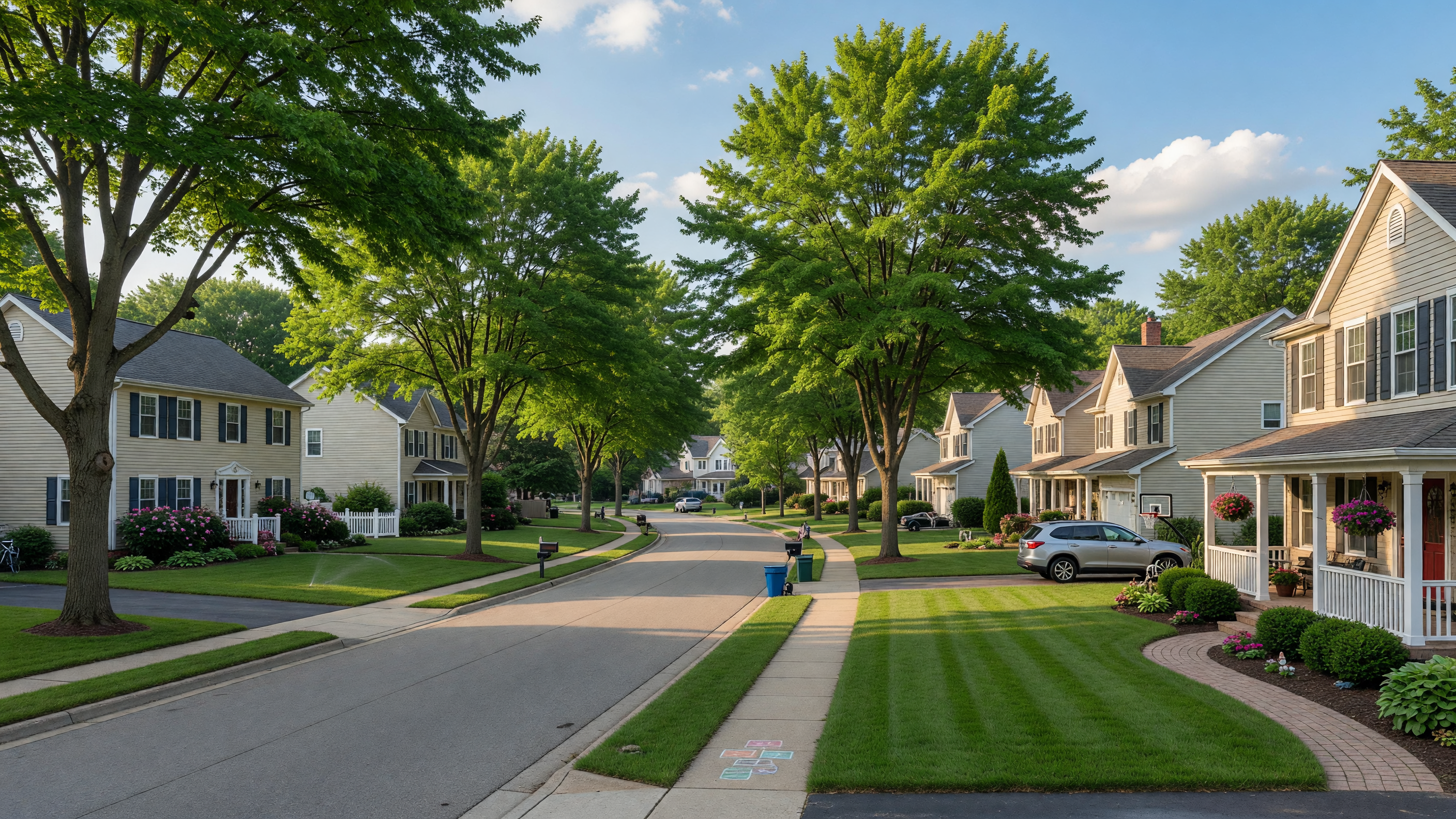
For homebuyers specifically, Mid-Michigan offers the rare combination of affordability, space, and community. You can find move-in-ready homes in excellent school districts for well under $300,000 — and in many communities, that budget gets you a four-bedroom home with a yard, a garage, and room to grow. Our property tax comparison guide breaks down the rates across six counties to help you plan accurately.
Michigan State Income Tax
Michigan uses a flat income tax rate, which simplifies planning for relocating families and professionals. As of 2026, the state income tax rate is 4.25% on all taxable income, regardless of bracket. This flat structure means there's no penalty for earning more — and no surprise at tax time.
Michigan also offers several tax benefits that matter for homeowners and families:
- Homestead Property Tax Credit: Michigan offers a property tax credit for qualifying homeowners and renters, which can offset a portion of your property tax or rent payments.
- Child and Dependent Care Credit: A state-level credit for working parents who pay for child care, stacking with the federal credit to reduce your overall tax burden.
- No State Estate Tax: Michigan does not impose a state-level estate or inheritance tax, making it a favorable state for long-term wealth planning.
For out-of-state relocators, Michigan generally taxes only income earned within the state, which matters if you maintain remote work ties to another location. A qualified CPA familiar with multi-state situations can help structure your transition cleanly.
Job Markets and Economic Opportunity
Michigan's economy is more diverse than many outsiders realize. While the automotive industry remains a cornerstone, the state has invested heavily in technology, healthcare, advanced manufacturing, agriculture, and education. The Detroit metro area anchors a robust job market, but opportunities extend well beyond the city.
In Mid-Michigan specifically, the employment picture includes:
- Healthcare: Major health systems like McLaren, Hurley Medical Center, Beaumont, and Corewell Health employ thousands across the region.
- Automotive and manufacturing: General Motors, Ford suppliers, and a network of Tier 1 and Tier 2 manufacturers provide engineering, production, and logistics roles.
- Education: K-12 school districts, community colleges, and universities like University of Michigan-Flint and Kettering University are significant employers.
- Remote work: Mid-Michigan's broadband expansion and affordable housing make it increasingly attractive for remote workers who want space, community, and lower costs.
Education: Schools That Serve Every Stage
Michigan's public school system includes a wide range of performance levels, and the communities within Mid-Michigan consistently rank among the state's best. Here are some standout areas:
- Grand Blanc Community Schools — consistently rated among the top districts in Genesee County, with strong academics, athletics, and community support.
- Brighton Area Schools — one of Livingston County's top-performing districts with excellent facilities and programs.
- Clarkston Community Schools — a highly rated Oakland County district known for academic achievement and community engagement.
- Charter and magnet options: Mid-Michigan also has a strong selection of charter schools, STEM academies, and magnet programs, giving families additional choices.
For higher education, the region is well-served by the University of Michigan system, Michigan State University, Kettering University, Mott Community College, and several other institutions that provide pathways from associate degrees through graduate programs.
Healthcare Access
Access to quality healthcare is a top concern for relocating families, and Mid-Michigan performs well in this area. The region is anchored by several major health systems:
- McLaren Health Care: A major Michigan-based system with hospitals and clinics across the region, including McLaren Flint and McLaren Lapeer.
- Corewell Health (formerly Beaumont): Serves Oakland County and surrounding areas with world-class specialists and facilities.
- University of Michigan Health: Just an hour away in Ann Arbor, UM Health provides access to nationally ranked specialty care.
- Huron Valley-Sinai, DMC, and Henry Ford: The broader metro area offers comprehensive emergency, surgical, and specialty care within a short drive.
Climate and Seasonal Living
Let's address the elephant in the room: Michigan winters are real. Mid-Michigan typically sees 40–50 inches of snow annually, with average winter temperatures in the 20s and 30s Fahrenheit. But here's what many relocators discover — the seasons are genuinely beautiful, and each one offers something worth enjoying.
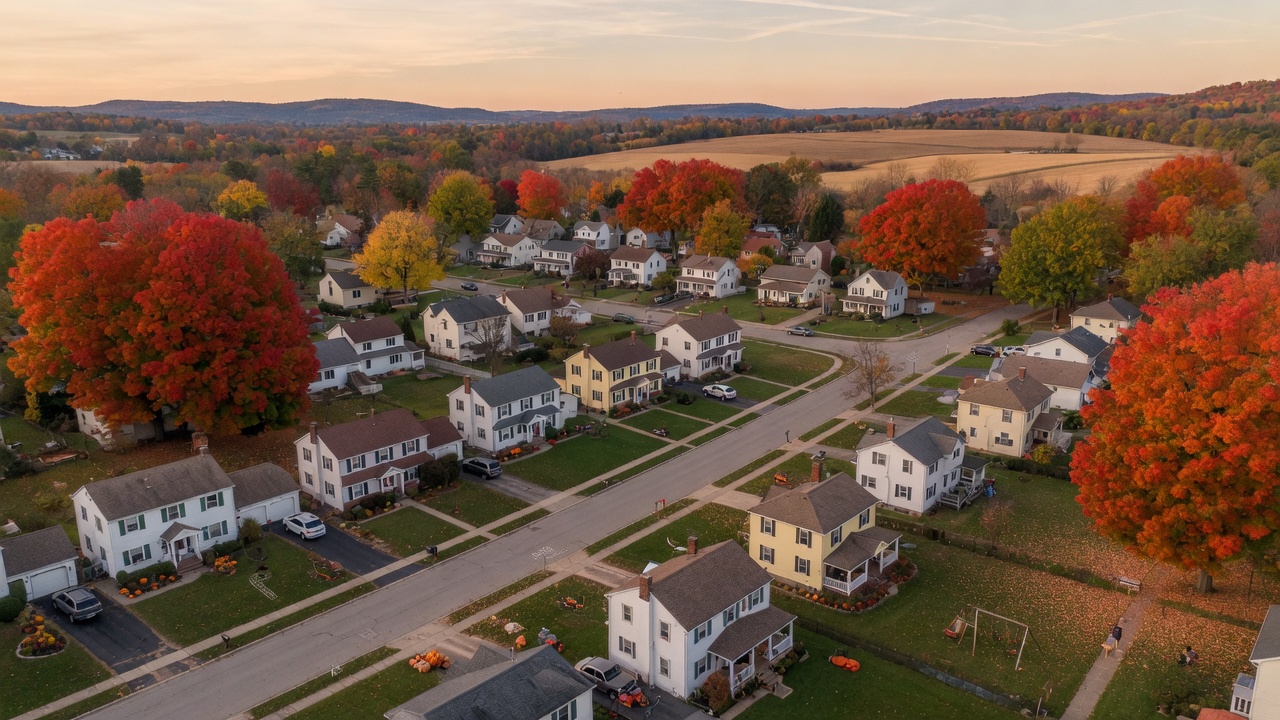
- Fall brings spectacular foliage, apple picking, cider mills, and crisp outdoor weather that many residents consider the best season of the year.
- Winter offers skiing, snowshoeing, ice fishing, and cozy community gatherings. Many homes in the region feature basements, fireplaces, and attached garages built for Michigan living.
- Spring is a season of renewal — farmers markets reopen, trails dry out, and the landscape comes alive. Our seasonal real estate guide also notes spring as the most active listing season.
- Summer is Michigan at its best — lake days, outdoor festivals, golf, biking, and long evenings. Temperatures regularly reach the 80s, and the state's 11,000+ lakes provide endless recreation.
Relocators from warmer climates should plan for winter driving, invest in a quality coat and snow tires, and budget for higher heating costs from November through March. That said, most new residents adapt quickly and tell me the four-season lifestyle is one of the things they end up loving most.
Lifestyle and Community Character
Michigan's lifestyle appeal goes far beyond affordability. The state consistently ranks as one of the top for outdoor recreation, with over 3,200 miles of freshwater coastline, thousands of miles of hiking and biking trails, and some of the best fishing in the country. In Mid-Michigan, you'll find:
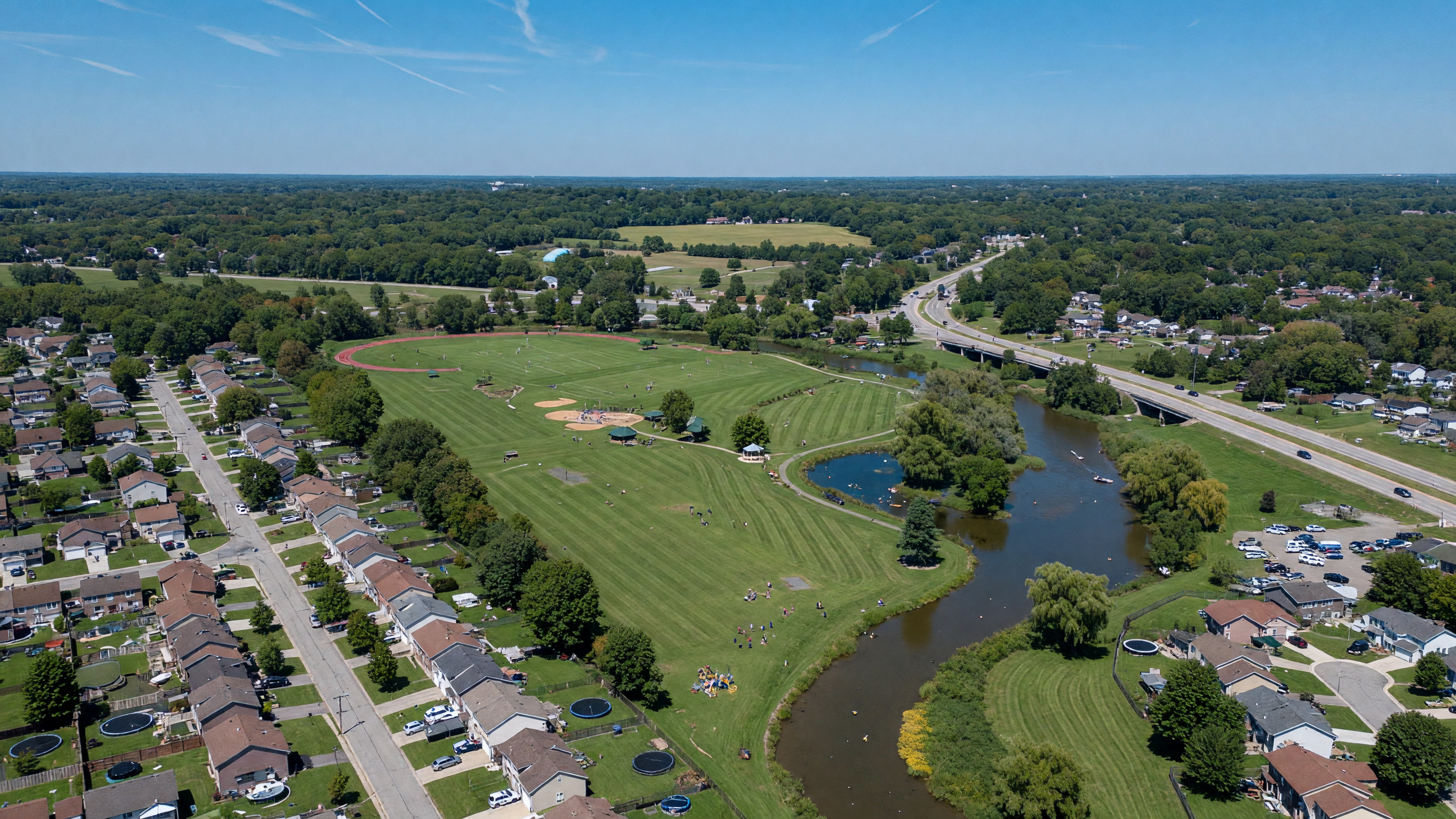
- World-class parks and trails — including the Genesee County Parks system, Stepping Stone Falls, and the extensive trail networks in Oakland and Livingston counties.
- Lake living — from Lake Fenton to Cass Lake to the lakes of Livingston County, waterfront recreation is a genuine part of daily life here.
- Community festivals and events — farmers markets, art fairs, holiday parades, and seasonal celebrations that create genuine neighborhood connection.
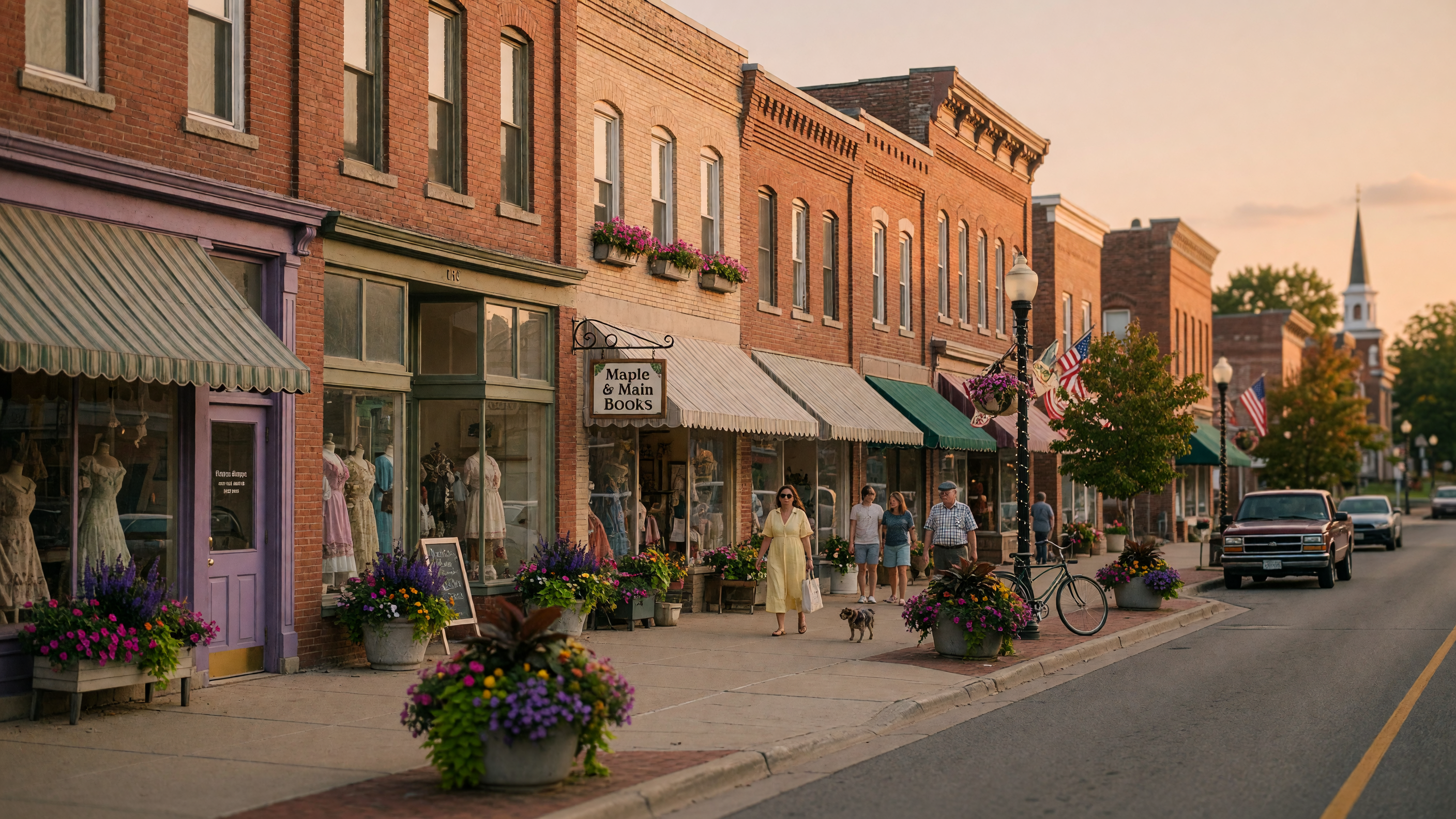
- A strong dining and cultural scene — from Frankenmuth's Bavarian charm to Fenton's revitalized downtown to the restaurants and galleries of Clarkston and Lake Orion.
Why Mid-Michigan Specifically?
With all of Michigan's advantages, why do I consistently recommend Mid-Michigan as a landing spot — especially for relocators? A few reasons stand out:
- Affordability with quality: You can buy a beautiful home in a top school district for a fraction of what comparable homes cost in Oakland or Washtenaw counties, without sacrificing community quality.
- Central location: Mid-Michigan places you within 60–90 minutes of Detroit, Ann Arbor, Lansing, and the thumb region. Highway access via I-69, I-75, and I-475 makes regional commuting practical.
- Genuine community: Whether it's Grand Blanc, Fenton, Brighton, or Lapeer, these communities have active civic life, volunteer organizations, and neighbors who actually know each other.
- Room to grow: Whether you're a first-time buyer, a growing family, or someone looking to right-size into a ranch with acreage, the inventory and price range here accommodates real life.
Practical Tips for Relocating to Michigan
If you're seriously considering the move, here are a few practical tips from years of helping relocators settle in:
- Visit first, ideally in winter: Come during January or February to get an honest feel for the climate. If you can handle a Michigan winter visit, you'll thrive year-round.
- Research school districts early: Michigan school quality varies significantly by district. Our community selection guide can help you narrow your focus based on family priorities.
- Understand property taxes: Michigan property tax rates vary by county and municipality. Our property tax comparison breaks down the numbers.
- Get pre-approved before you house-hunt: In Mid-Michigan's competitive market, pre-approval is essential. It tells sellers you're serious and shows you exactly what you can afford.
- Work with a local agent who knows the region: A knowledgeable agent can help you identify the right community, navigate local market conditions, and avoid costly missteps — especially if you're buying from a distance.
The Bottom Line
Michigan offers a rare combination: genuine affordability, strong communities, excellent outdoor recreation, solid healthcare, diverse job opportunities, and a four-season lifestyle that rewards people who embrace it. Mid-Michigan sits at the heart of all of it — close enough to major metro amenities, but rooted in the kind of community character that makes a place feel like home.
I've helped dozens of families make this exact transition, and I'd be honored to help you too. Whether you're just beginning to explore the idea or you're ready to start touring homes, I'm here to provide honest guidance, local expertise, and a smooth experience from your first question to closing day.
Schedule a relocation consultation or contact me directly — let's talk about your move to Michigan.