
Mid-Michigan is a region of remarkable variety. Within a 60-mile radius, you can find historic villages with century-old homes, lakeside communities with year-round outdoor recreation, rapidly growing suburbs with modern subdivisions, and quiet rural towns where the pace of life is genuinely different. Across Genesee County, Oakland County, Livingston County, Lapeer County, Shiawassee County, and Saginaw County, there are communities to suit nearly every lifestyle, budget, and family priority.
But with that variety comes a challenge: how do you narrow down the options and find the community that's genuinely right for you? This guide walks you through the key decision factors — commute needs, school priorities, lifestyle preferences, budget considerations, and long-term growth — so you can approach your search with clarity and confidence.
1. Start with Your Commute
For most families, commute time is the factor that narrows the map most quickly. Mid-Michigan's highway network — including I-75, I-69, I-96, US-23, and M-59 — provides access across the region, but drive times vary significantly depending on where you work and where you live.
- Working in Flint or the Flint metro area: Grand Blanc, Davison, Fenton, Swartz Creek, and Flushing all provide short, manageable commutes — typically 10–25 minutes to major Flint employers.
- Working in Oakland County or Metro Detroit: Oakland County communities like Clarkston, Lake Orion, Troy, and Rochester provide direct access via I-75 and M-59. Southern Genesee County communities like Fenton and Linden also offer reasonable Oakland County commutes.
- Working in Ann Arbor: Brighton, Howell, Hartland, and Pinckney sit along the I-96 and US-23 corridors with 25–45 minute commutes to Ann Arbor. See our Livingston County relocation guide for detailed commute times.
- Working in Lansing: Western communities in Shiawassee County — including Owosso, Durand, and Perry — provide shorter commutes to the Lansing area via I-69 and I-96.
- Remote or hybrid workers: If commute is less of a constraint, you have the freedom to prioritize lifestyle, schools, and budget — which opens up the full range of Mid-Michigan communities. Remote workers often find that communities like Metamora, Pinckney, or Holly — which offer more land, more privacy, and more natural beauty — become viable in ways they wouldn't with a daily office commute.
2. Define Your School Priorities
If you have school-age children — or plan to — school quality is often the deciding factor. Mid-Michigan has school districts that consistently rank among the best in Michigan, and the differences between them are meaningful.
Here's how the region's strongest districts break down by area:
- Top Genesee County: Grand Blanc Community Schools ("A-" overall from Niche), Fenton Area Public Schools, Lake Fenton Community Schools, Linden Community Schools, and Davison Community Schools all rank well within the county.
- Top Oakland County: Birmingham, Troy, Rochester, West Bloomfield, Clarkston, and Lake Orion community schools are consistently among the highest-rated in the state. See our Oakland County communities guide for details.
- Top Livingston County: Brighton Area Schools, Hartland Consolidated Schools, and Howell Area Schools all maintain strong academic records and community support. See our Livingston County guide.
When evaluating schools, consider more than just test scores. Look at class sizes, extracurricular offerings, special education support, gifted programs, and the overall culture of the school community. A visit to the schools — and conversations with current families — can tell you more than any ranking.
3. Match Your Lifestyle to a Community
Every community has a different personality, and matching that personality to your daily life is one of the most important — and most personal — parts of the decision.
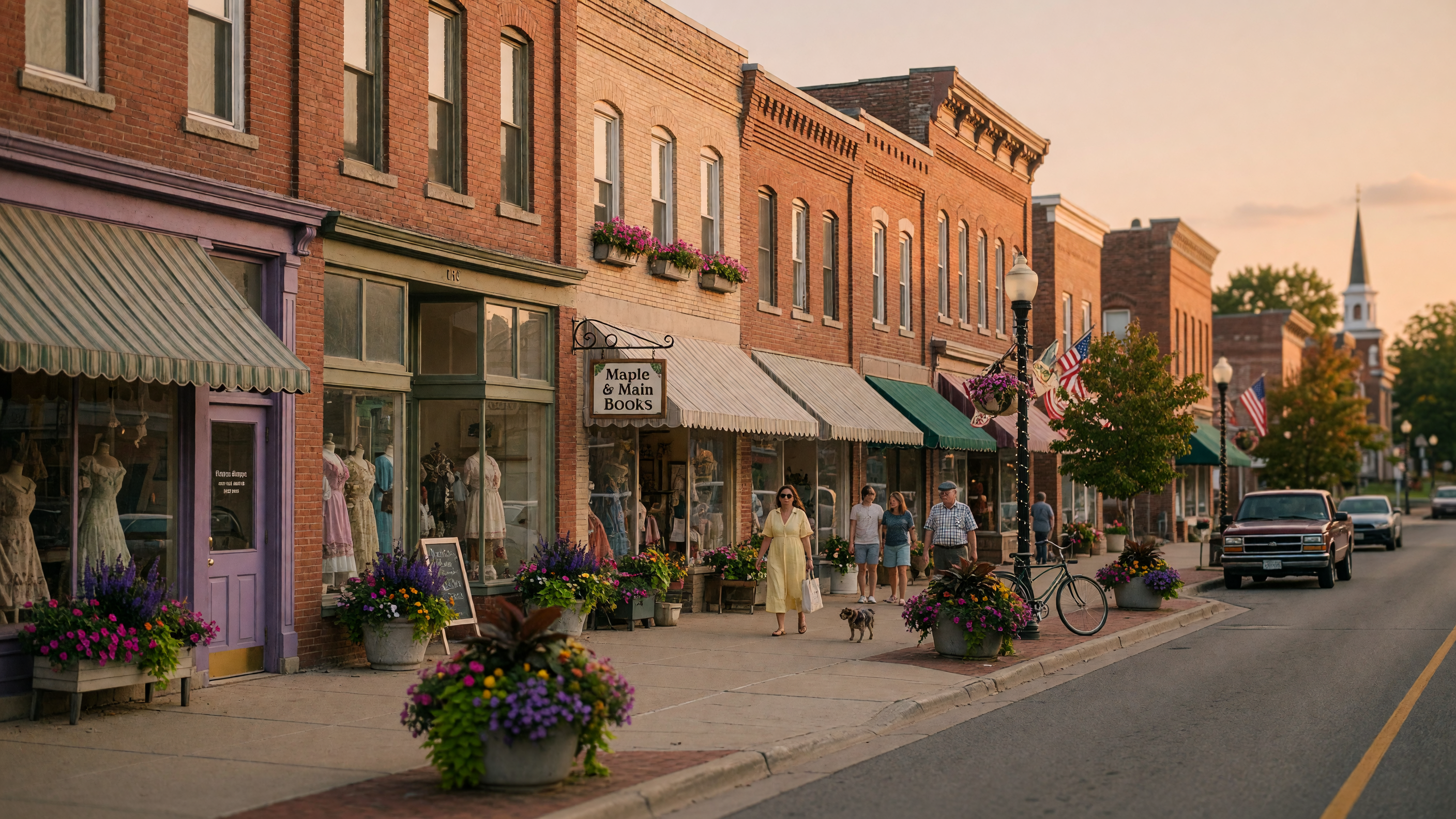
- If you want a walkable downtown: Clarkston, Birmingham, Farmington, Fenton, and Howell offer some of the best walkable downtown experiences in the region — locally owned shops, restaurants, seasonal events, and a genuine sense of place.
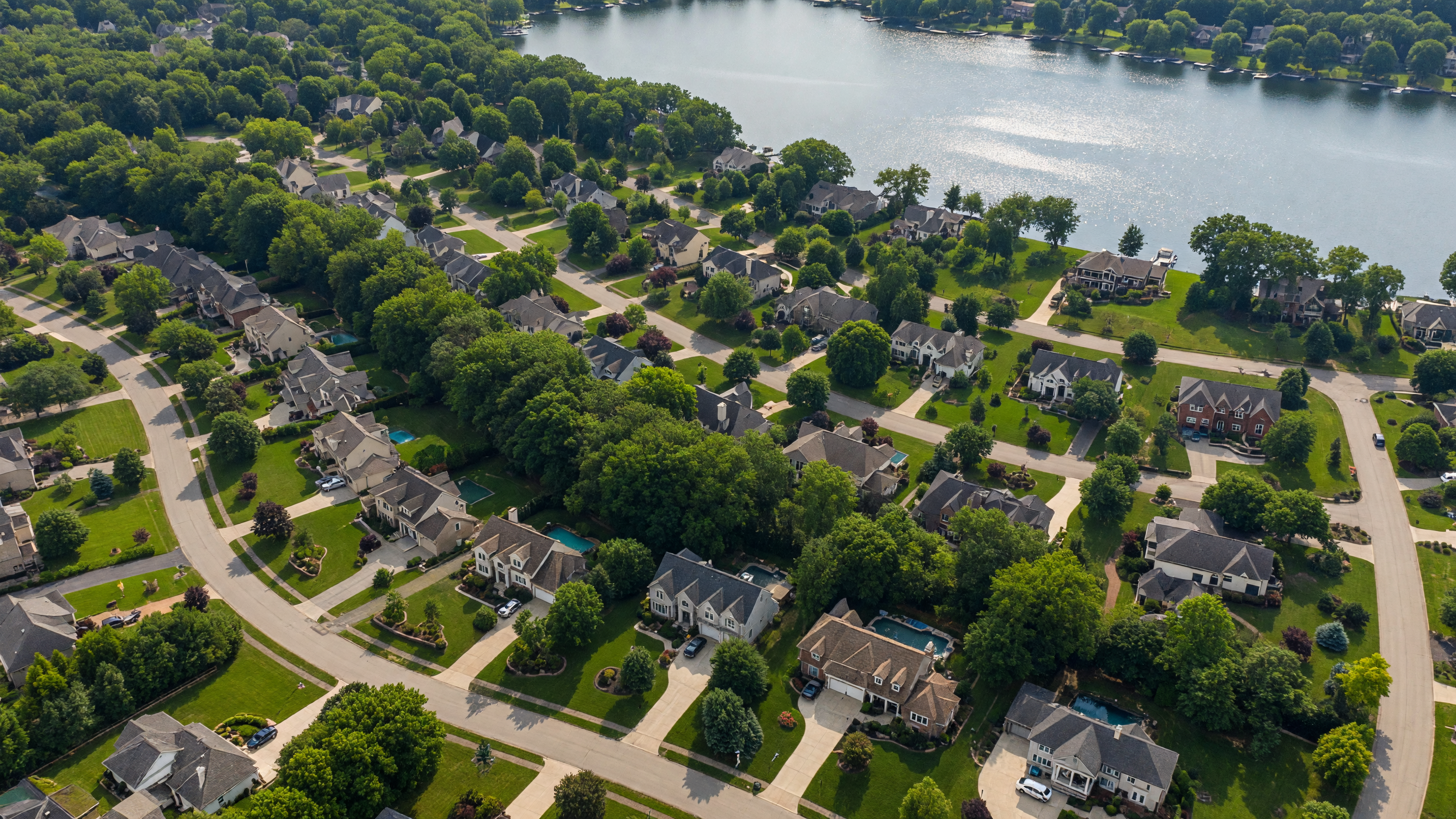
- If you want lake living: The Fenton area (50+ lakes), Waterford (20+ lakes), Lake Orion, West Bloomfield, and Pinckney offer some of the most lake-rich living in southeastern Michigan. Visit our Parks & Trails guide for details.
- If you want rural or acreage living: Metamora, North Branch, Attica, Laingsburg, Freeland, and communities in northern Livingston County offer larger lots, more privacy, and a countryside lifestyle within reach of urban amenities.
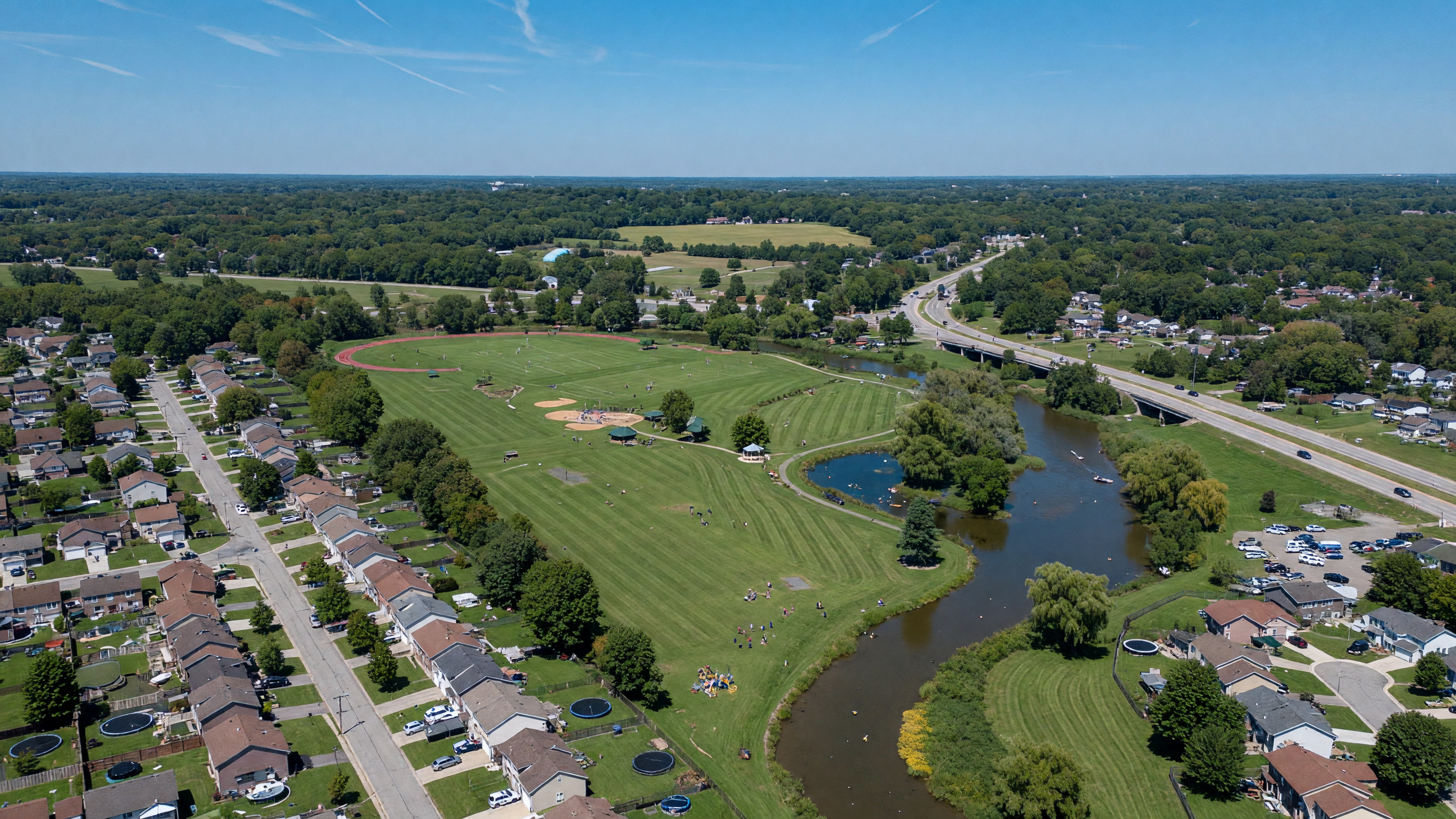
- If you want a strong family community: Grand Blanc, Hartland, Brighton, Clarkston, and Davison consistently rank as some of the best family communities in the region — strong schools, safe neighborhoods, and community-oriented programming.
- If affordability is the priority: Shiawassee County (Owosso, Corunna, Durand), Saginaw County (Frankenmuth, Birch Run, Thomas Township), and Genesee County communities like Clio and Swartz Creek offer strong value with median prices well below the regional average. See our Shiawassee & Saginaw county guide.
4. Set a Realistic Budget
Mid-Michigan's housing market offers genuine range — from starter homes under $150,000 to luxury estates exceeding $800,000. Understanding what your budget allows in different communities is essential to making a smart decision.
Here's a rough guide to median home prices across the region as of mid-2026:
- Under $200,000: Available in Shiawassee County (Owosso, Durand, Corunna), Saginaw County (Saginaw, Bridgeport, St. Charles), Lapeer County (Marlette, Brown City, Clifford), and select Genesee County communities (Clio, Flint Township).
- $200,000–$300,000: The broadest selection of homes across Genesee County (Grand Blanc, Davison, Swartz Creek, Flushing, Goodrich), southern Oakland County (Pontiac, Waterford, Holly), Lapeer County (Lapeer, Imlay City, Almont), and Livingston County (Howell, Fowlerville).
- $300,000–$500,000: Strong selection in Genesee County (Fenton, Linden), Oakland County (Lake Orion, Clarkston, Oxford, Farmington Hills), and Livingston County (Brighton, Hartland, Milford). This is the most active price segment in the region.
- $500,000+: Luxury homes, waterfront properties, and custom builds in Oakland County (Birmingham, Rochester Hills, West Bloomfield, Troy), Livingston County (Hartland, Brighton), and select lakefront locations throughout the region.
Remember that the purchase price is only part of the equation. Factor in property taxes (which vary significantly by community and school district), homeowners insurance, potential HOA fees, and maintenance costs. A community with slightly higher home prices but lower property taxes may be more affordable long-term than it appears on the sticker price. Our Genesee County buyer's guide covers tax considerations in detail.
5. Think Long-Term Growth
A home is both a place to live and a financial investment. When choosing a community, consider not just what it offers today, but where it's headed.
- Appreciation trends. Communities with strong schools, limited land for new development, and desirable amenities tend to appreciate steadily. Oakland County communities like Clarkston, Lake Orion, and Birmingham have historically shown strong appreciation. Genesee County communities like Fenton and Grand Blanc have been trending upward as buyers discover their value proposition.
- Infrastructure investment. Communities investing in downtown improvements, road infrastructure, parks, and schools signal long-term commitment to quality of life. Fenton's downtown revitalization and Grand Blanc's ongoing development are good examples of forward-looking investment.
- New construction activity. Active building indicates builder confidence in the community's future. Areas like Grand Blanc, Holly, Hartland, and the Fenton corridor are seeing sustained new development — a positive signal for long-term value. See our new construction guide for details.
- Rental market strength. If you might eventually rent the property, communities with limited rental inventory and strong tenant demand — typically those near good schools and employment centers — offer better long-term investment returns. Our investor analysis covers rental yields across the region.
Putting It All Together: A Decision Framework
The best approach to choosing a community is to rank your priorities honestly and let them guide your search. Here's a simple framework:
- Commute: What's your maximum acceptable commute time to work? This eliminates communities that are too far and narrows your map immediately.
- Schools: If you have children (or plan to), which school districts meet your standards? Cross-reference school boundaries with your commute zone.
- Lifestyle: What does your ideal daily life look like? Walkable downtown, lake access, rural acreage, suburban neighborhood — match the community to the life you want to live.
- Budget: What can you comfortably afford — including taxes, insurance, and maintenance? Identify the communities where your budget gives you real options.
- Growth: Which communities are investing in their future and supporting long-term value? Prioritize places where you'd be happy to live for 5–10+ years.
The communities that score highest across all five factors are usually the ones where demand is strongest — and inventory moves fastest. Having an experienced local agent who knows the nuances of each community can make the difference between finding the right home and settling for what's available.
I Know Every Community in Mid-Michigan
I've worked across all six counties in the Mid-Michigan region for over 20 years, and I know the differences between communities at a level that goes beyond statistics — the feel of a neighborhood, the rhythm of a school year, the best streets for fall color, and which communities genuinely match different lifestyles.
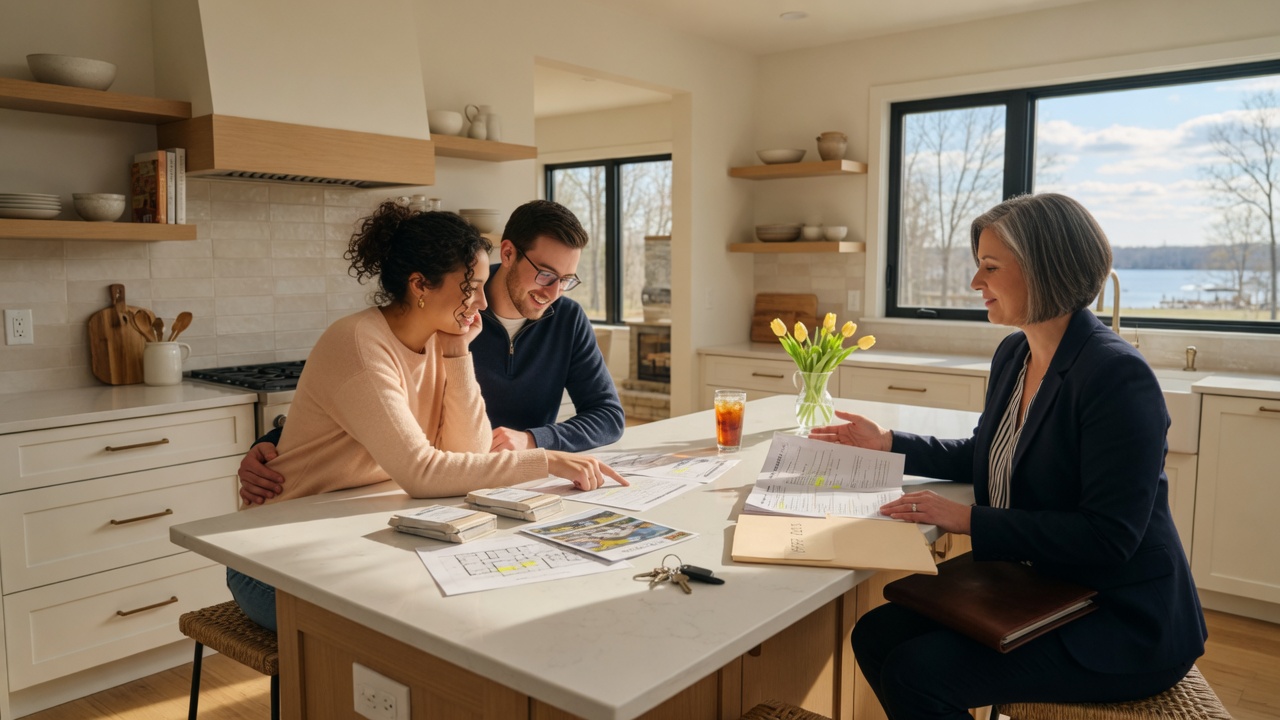
If you're trying to narrow down where to focus your search, I'd love to help. A short conversation about your priorities can save you weeks of searching — and ensure you find a community that feels like home, not just a house.
Schedule a consultation or contact me directly — let's find the right Mid-Michigan community for your family.