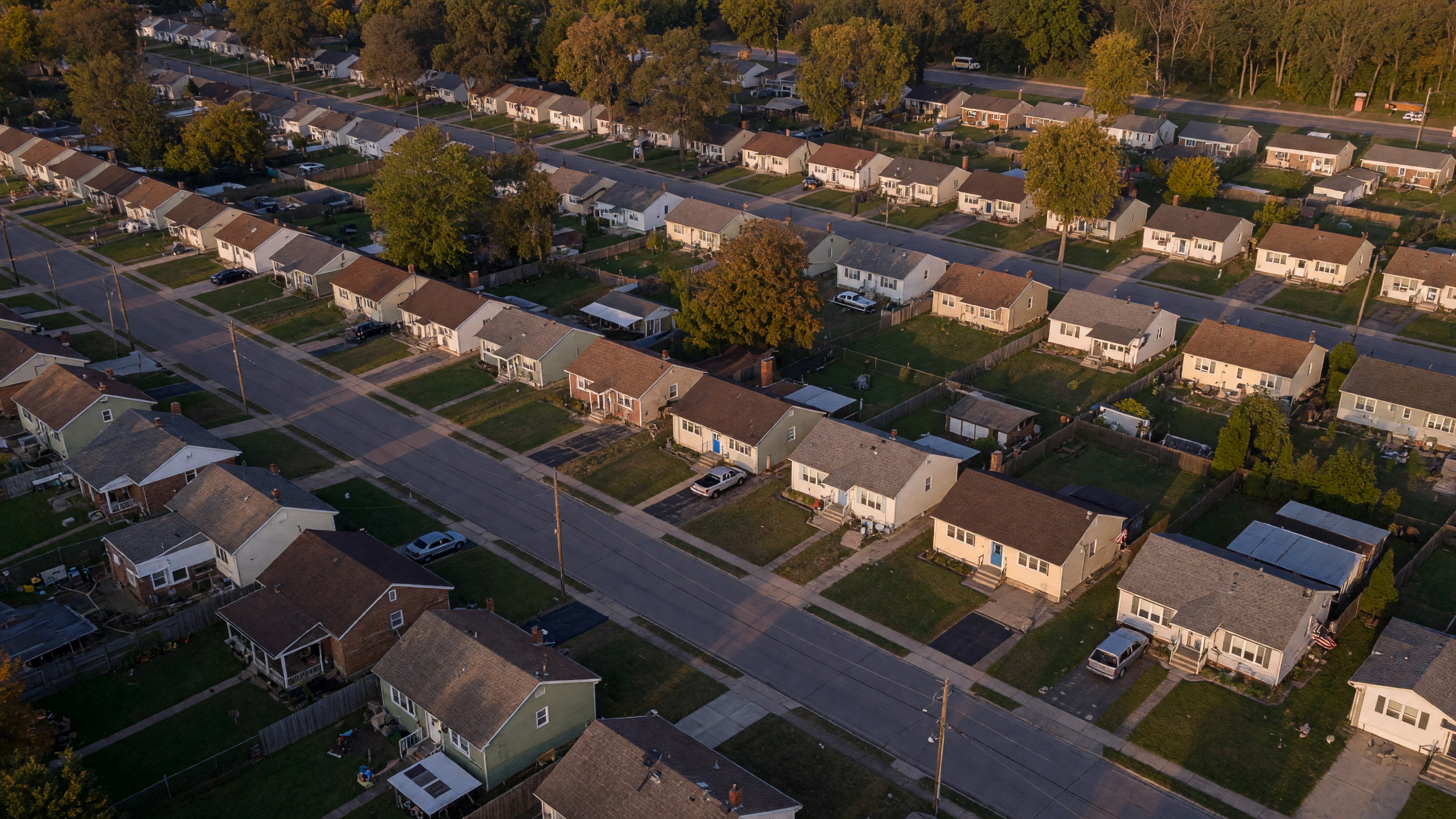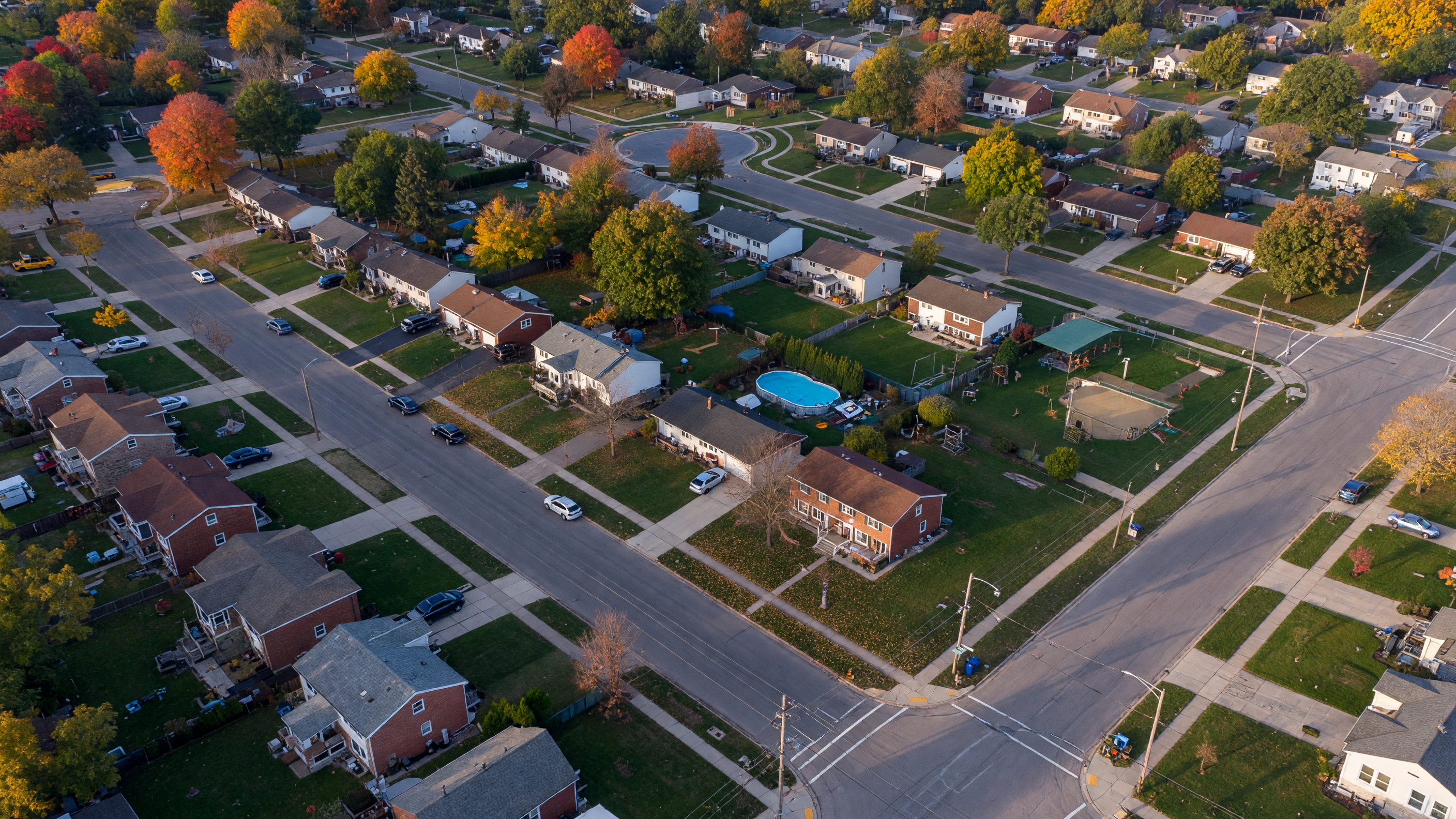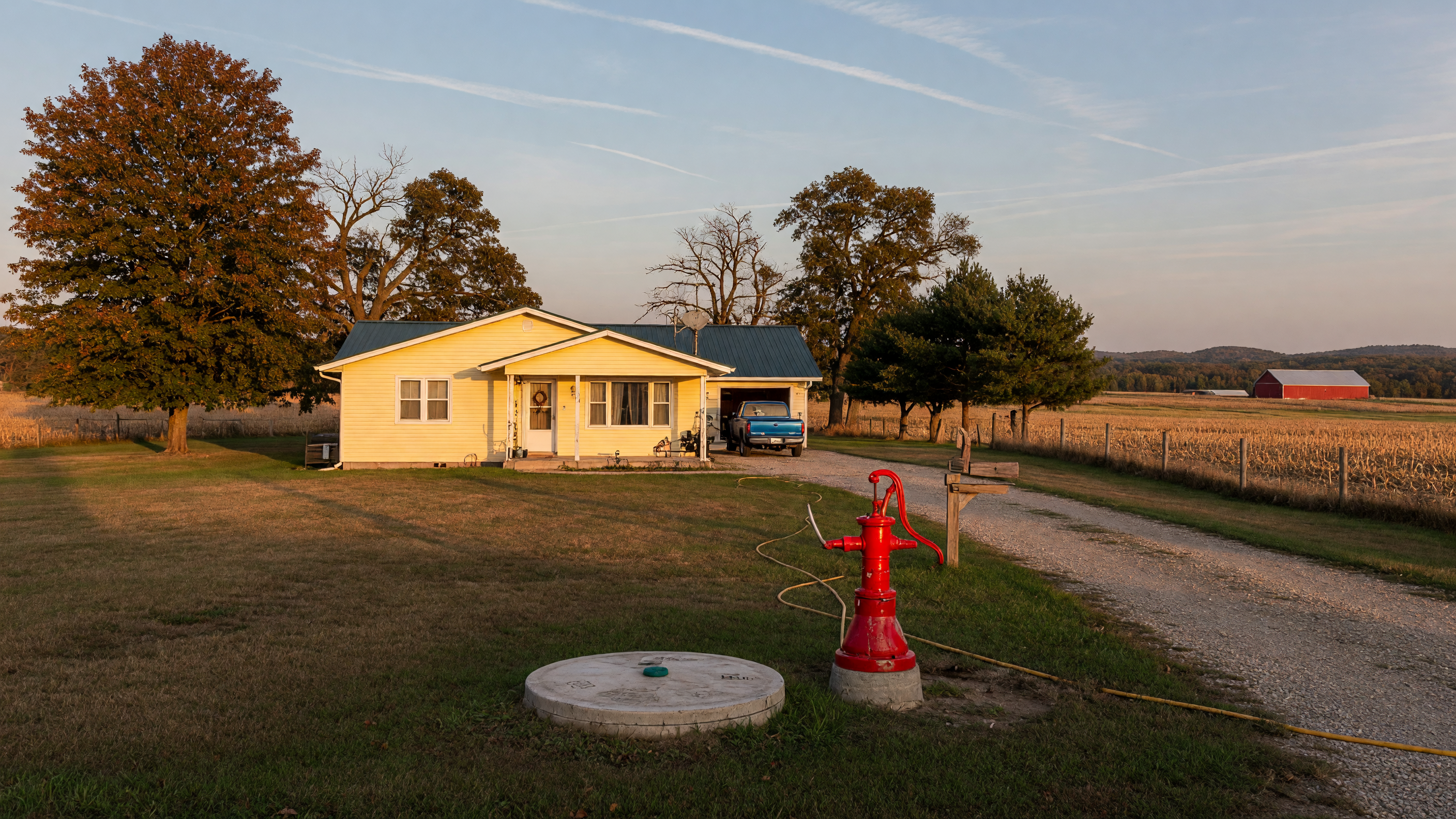

Mid-Michigan's real estate market has long attracted attention from investors who recognize the region's combination of affordable purchase prices, consistent tenant demand, and rental yields that outperform many higher-cost Michigan markets. While communities like Ann Arbor and the inner Detroit suburbs command headlines, the six-county Mid-Michigan region — spanning Genesee, Oakland, Livingston, Lapeer, Shiawassee, and Saginaw counties — offers a broader and more accessible investment landscape that rewards informed buyers.
Whether you're a first-time investor purchasing your first rental property or an experienced landlord looking to expand a portfolio, understanding the local rental market — where rents are strongest, what tenants are looking for, and how the economics work across different communities — is essential. This guide covers the rental market across Mid-Michigan with a focus on practical, actionable information for investors.
Average Rents Across Mid-Michigan
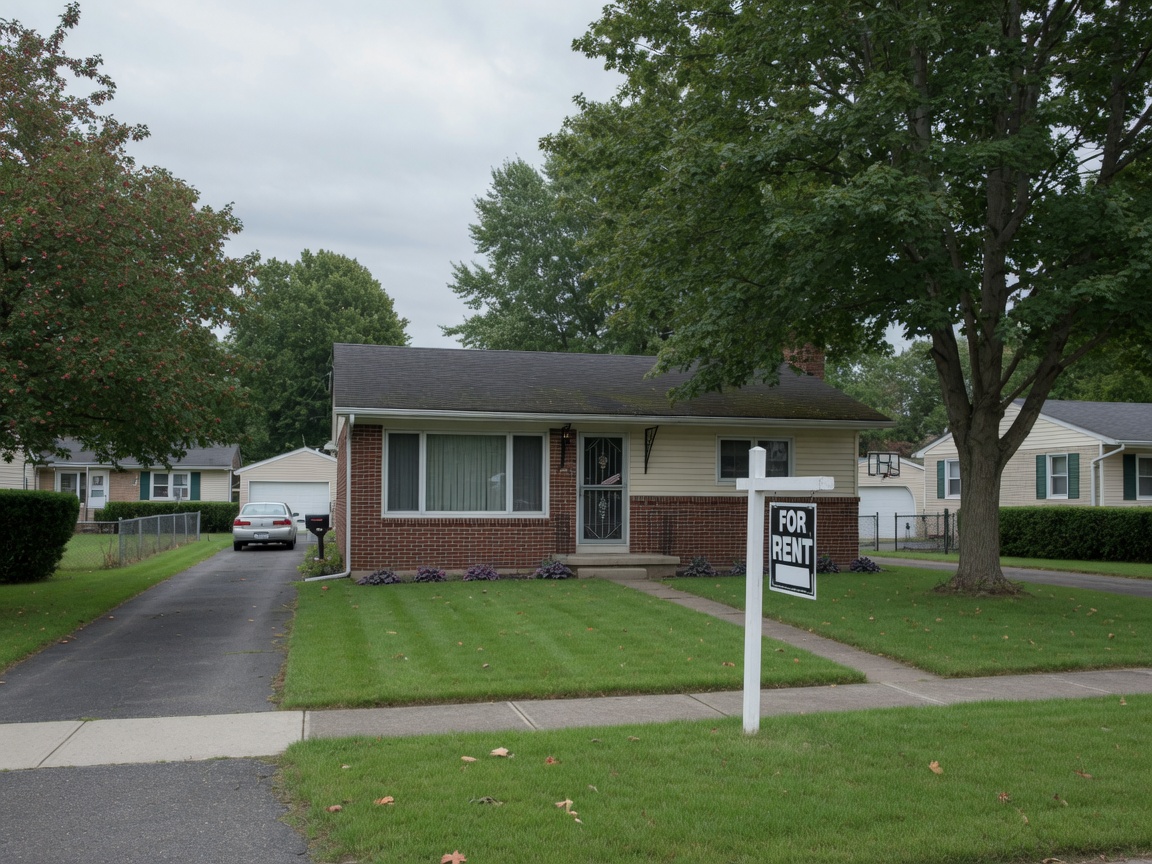
Rental rates in Mid-Michigan vary significantly by county, community, and property type. As of 2026, the following ranges represent typical asking rents for commonly available rental properties:
| Area | 1-BR / Condo | 2-3 BR Single-Family | Notes |
|---|---|---|---|
| Grand Blanc / Davison | $1,000–$1,300 | $1,500–$2,100 | Strong school-driven demand |
| Fenton / Linden | $1,050–$1,350 | $1,550–$2,200 | Lake lifestyle premium |
| Clarkston / Holly | $1,100–$1,400 | $1,600–$2,500 | Oakland County premium |
| Swartz Creek / Flushing | $950–$1,200 | $1,350–$1,900 | Growing demand, I-69 access |
| Downtown Flint | $700–$1,000 | $900–$1,300 | Lowest entry, neighborhood-dependent |
| Lapeer / Imlay City | $900–$1,150 | $1,300–$1,800 | Affordable entry, Thumb region |
| Owosso / Corunna | $750–$1,000 | $1,100–$1,600 | Lowest entry, strong yield potential |
| Brighton / Howell | $1,200–$1,500 | $1,800–$2,600 | Livingston County premium |
These ranges reflect asking rents for standard residential rentals and can vary based on property condition, finishes, lot size, and specific neighborhood. Updated properties with modern finishes typically command the upper end of each range, while older or less-renovated properties fall toward the lower end.
Popular Rental Areas by County
Genesee County
Genesee County offers the widest range of rental investment opportunities in the Mid-Michigan region. Grand Blanc and Davison consistently rank as the strongest rental markets in the county, driven by family-oriented tenant demand, well-regarded school districts, and proximity to major employers. These communities see low vacancy rates and steady tenant interest — particularly for three-bedroom single-family homes in established subdivisions.
Swartz Creek and Flushing offer slightly lower entry prices with growing demand, benefiting from their positions along the I-69 corridor and the expanding suburban development pushing northwest from Flint. Clio and Goodrich represent the northern edge of the county's growth and offer affordable entry points for investors willing to manage properties in smaller communities.
Downtown Flint presents a different investment profile. Purchase prices are the lowest in the region, and the ongoing revitalization of the downtown and cultural district has created pockets of genuine rental demand — particularly near the University of Michigan-Flint campus and the medical district. However, neighborhood selection is critical. The What to Know Before Buying in Genesee County guide provides additional context on neighborhood-level dynamics.
Oakland County
Oakland County commands the highest rents in the Mid-Michigan region, but purchase prices are correspondingly higher. Clarkston, Holly, and the broader northern Oakland County area offer strong rental demand from tenants who want access to top-rated schools, lake recreation, and the community character that defines these areas. Investors targeting Oakland County can expect higher rents but should factor in higher acquisition costs and more competitive market conditions.
For a deeper comparison of Oakland County communities, see our Ultimate Guide to Oakland County Communities. Our Clarkston and Lake Orion guide provides additional detail on these specific markets.
Livingston County
Brighton and Howell represent the premium end of the Mid-Michigan rental market, with strong demand driven by the county's position between Ann Arbor and Detroit. The Livingston County: The Suburban Sweet Spot guide details why this county continues to attract both residents and investors. Rental yields in Livingston County tend to be lower on a percentage basis due to higher purchase prices, but the tenant quality and low vacancy rates provide stability.
Lapeer, Shiawassee, and Saginaw Counties
These three counties offer the lowest entry points and potentially the highest rent-to-price ratios in the region. Lapeer provides a mix of small-city and rural rental opportunities. Owosso in Shiawassee County offers affordable single-family rentals with a small-city downtown that provides genuine community appeal. Saginaw Township and the communities along the I-75 corridor in Saginaw County — including Thomas Township, Freeland, and Bridgeport — offer accessible price points with steady demand from tenants working in the Saginaw, Bay City, and Midland employment corridor.
For a closer look at these areas, see our Shiawassee and Saginaw Counties guide and our Lapeer County Communities guide.
Tenant Demographics: Who's Renting in Mid-Michigan?
Understanding the tenant pool is essential for investors choosing where to buy. Mid-Michigan's rental demand comes from several distinct demographic segments:
- Young professionals and couples — Concentrated in downtown Flint (near the university and medical district), downtown Fenton, Clarkston, and Brighton. They tend to seek walkable locations, updated finishes, and proximity to dining and entertainment. They're willing to pay premium rents for the right property.
- Families with school-age children — The largest rental segment in suburban Genesee, Oakland, and Livingston counties. These tenants prioritize school districts, safe neighborhoods, and three-bedroom homes with yards. Grand Blanc, Davison, Swartz Creek, and Clarkston see the strongest family rental demand. Long tenancies are common when schools are a factor.
- Relocating professionals — Mid-Michigan's employment base in automotive, healthcare, manufacturing, and education brings relocating professionals who often rent for six to twelve months before purchasing. These tenants tend to be reliable, high-credit-score renters who value convenience and modern finishes.
- Retirees and downsizers — A growing segment, particularly in condo and townhome rentals. Downsizers leaving larger homes seek low-maintenance living in communities with walkability and services. Downtown Fenton, downtown Brighton, and Clarkston are popular with this demographic.
- Students — Concentrated near the University of Michigan-Flint, Kettering University, Saginaw Valley State University, and Mott Community College. Student rentals are typically concentrated in specific neighborhoods and require different management approaches than family rentals.
Rent-to-Price Ratios: Where the Numbers Work Best
One of the key metrics investors evaluate is the rent-to-price ratio — the relationship between annual rent and the property's purchase price. A higher ratio generally indicates a better return on investment, all else being equal. In Mid-Michigan, the rent-to-price ratios tend to be strongest in communities where purchase prices are moderate but tenant demand remains consistent:
- Strong ratios (0.8%–1.0%+ monthly): Owosso, Durand, Lapeer, Imlay City, Clio, and portions of Saginaw County. These communities offer the lowest purchase prices with rents that produce favorable cash flow for investors who manage effectively.
- Solid ratios (0.6%–0.8% monthly): Grand Blanc, Davison, Swartz Creek, Fenton, and Flushing. These are the core suburban rental markets with strong tenant demand and moderate purchase prices. Cash flow is achievable, particularly with conventional financing.
- Lower ratios (0.4%–0.6% monthly): Clarkston, Brighton, Howell, and Lake Orion. Higher purchase prices compress the ratio, but these markets offer appreciation potential, lower vacancy risk, and higher-quality tenant pools. Better suited for investors prioritizing long-term equity growth over immediate cash flow.
Tips for Landlords and New Investors
Whether you're buying your first rental property or expanding an existing portfolio, these practical considerations apply across the Mid-Michigan market:
Know the Local Landlord-Tenant Law
Michigan's landlord-tenant relationship is governed by the Michigan Truth in Renting Act and the Eviction Process under MCL 600.5701 et seq. Investors should familiarize themselves with security deposit rules (capped at one and one-half months' rent), required disclosures, and the legal eviction process. Michigan is a landlord-friendly state overall, but procedural compliance is essential. Consult with a local attorney who specializes in landlord-tenant law before acquiring your first property.
Screen Tenants Thoroughly
In a market where tenant demand is strong, it can be tempting to move quickly. Resist that impulse. Thorough tenant screening — credit checks, rental history verification, employment verification, and references — is the single most important thing you can do to protect your investment. Mid-Michigan's rental market is competitive enough that well-qualified tenants are available for well-maintained properties. Don't compromise on screening to fill a vacancy faster.
Factor in All Costs
Purchase price and rent are only part of the equation. Smart investors factor in property taxes (which vary significantly across Mid-Michigan counties — see our Property Taxes guide), insurance, maintenance reserves (typically 1% of property value annually), vacancy reserves, property management fees (8%–10% of rent if you hire a manager), and potential special assessments for condos and HOA communities.
Consider Property Management
If you're buying your first rental property locally, self-management is feasible and saves significant cost. If you're an out-of-state investor or plan to own multiple properties, professional property management is worth the expense. A good property manager handles tenant placement, rent collection, maintenance coordination, and legal compliance — typically for 8% to 10% of monthly rent plus a tenant placement fee. For out-of-state investors, local market knowledge is particularly valuable for setting rents and maintaining tenant quality.
Buy for Cash Flow, Not Speculation
Mid-Michigan's rental market rewards investors who buy for consistent cash flow rather than speculative appreciation. The communities with the strongest rental fundamentals are those where the numbers work today — where rent covers the mortgage, taxes, insurance, and maintenance with room for profit. Appreciation is a bonus, not the strategy. This approach protects you during market downturns and builds wealth steadily through both cash flow and equity accumulation.
Understand Neighborhood-Level Dynamics
Mid-Michigan is not a monolithic market. Rental demand, tenant quality, and property values can change significantly from one neighborhood to the next — sometimes within the same zip code. Drive the neighborhood at different times of day. Talk to neighboring property owners. Check crime statistics. Evaluate school assignments. The difference between a strong rental investment and a problematic one often comes down to neighborhood selection, not the property itself.
Why Mid-Michigan Attracts Investors
For a broader analysis of why the region appeals to real estate investors, see our Why Mid-Michigan Is a Hidden Gem for Real Estate Investors. The short version: Mid-Michigan offers a combination of affordable purchase prices, consistent rental demand from a diverse tenant pool, and communities with genuine livability that attract long-term tenants. Unlike markets driven by transient populations or speculative growth, Mid-Michigan's rental market is anchored by stable employment, strong schools, and the kind of community infrastructure that keeps tenants in place.
For current market conditions and pricing trends, see our 2026 Mid-Michigan Real Estate Market Update.
Next Steps for Investors
If you're considering purchasing a rental property in Mid-Michigan, I can help you evaluate specific communities, analyze rent-to-price ratios, and identify properties that align with your investment goals. I work with both local and out-of-state investors and understand the nuances of each community's rental market.
Schedule a consultation to discuss your investment strategy, or contact me directly — I'd be happy to help you navigate the Mid-Michigan rental market.