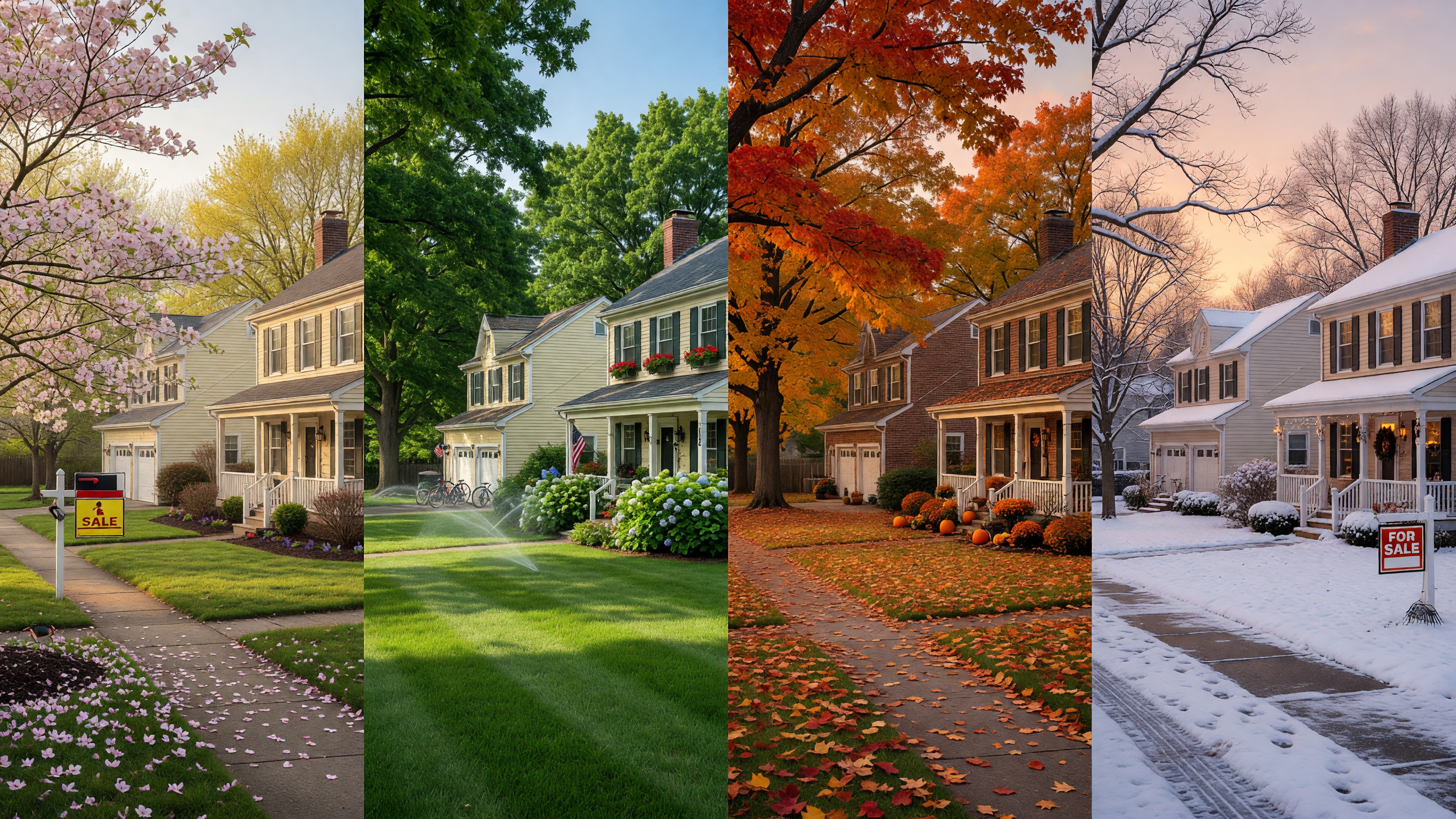

Every year, the Mid-Michigan real estate market tells a story — and 2026 has been one of the most interesting chapters in recent memory. After a period of rapid pandemic-era price acceleration, followed by the interest rate adjustments of 2023–2024, this year settled into something that looks and feels more like a sustainable, fundamentally strong market. Prices held. Inventory stayed tight. And the communities that make Mid-Michigan distinctive continued to attract buyers who value lifestyle alongside affordability.
As someone who has been tracking and working this market since 2014, I want to share what the data and my on-the-ground experience tell us about where we've been, what happened this year, and where I see things heading. This isn't a prediction exercise — it's a reflection grounded in the numbers, the conversations, and the transactions that defined 2026.
The Statewide Picture
Michigan's housing market in 2026 continued to show resilience. The statewide median home price climbed to approximately $275,000–$280,000, reflecting steady year-over-year appreciation in the 3–5% range. Mortgage rates stabilized in the mid-to-upper 6% range, which moderated buyer activity compared to the sub-3% frenzy of 2020–2021 but did not suppress demand in the way many analysts predicted.
The key dynamic statewide was persistent inventory scarcity. New listings increased modestly compared to 2025, but not enough to meaningfully shift the balance toward buyers. Sellers who priced competitively continued to see strong activity, often with multiple offers. Buyers who had been waiting for a significant correction found that prices held — and in many desirable communities, continued to climb.
Genesee County: Steady Strength
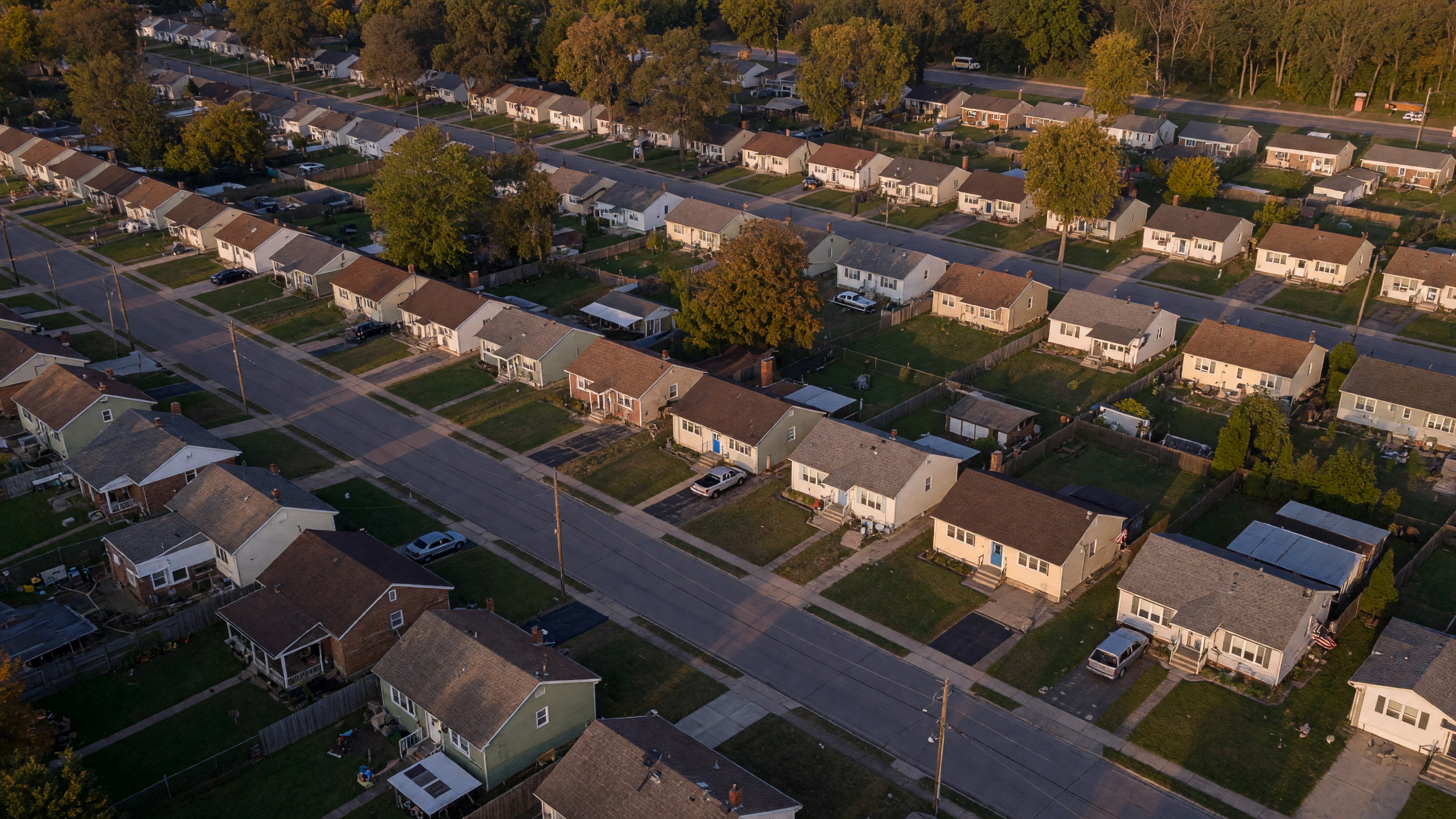
Genesee County — the heart of Mid-Michigan's residential market — saw its median sold price reach approximately $215,000–$220,000, up from around $208,900 in mid-2025. That represents a year-over-year increase of roughly 4–5%, continuing a trend of steady appreciation that reflects both the area's relative affordability and growing buyer recognition of the lifestyle value in communities like Fenton, Grand Blanc, Davison, and Linden.
Several factors shaped the Genesee County market this year:
- Inventory remained tight across most price points. Homes priced under $300,000 continued to move quickly, often within two weeks of listing. The most competitive segment was the $200,000–$350,000 range, where first-time buyers and move-up buyers competed for limited supply.
- The luxury segment above $500,000 showed selective strength. Lakefront properties on Lake Fenton, custom homes in Grand Blanc and Fenton townships, and newer construction in premium subdivisions saw consistent buyer interest. These buyers were less rate-sensitive and more focused on property quality and location.
- New construction activity picked up. Several builders reported stronger-than-expected sales in Genesee County subdivisions, particularly in the Fenton and Grand Blanc areas. New construction offered buyers the certainty of modern systems and customization that the existing inventory couldn't match.
For buyers in Genesee County, the takeaway is clear: the market rewards decisiveness. Well-priced homes in desirable neighborhoods don't sit. For sellers, the data confirms that strategic pricing and professional presentation continue to generate competitive results. Our Genesee County buyer's guide and 2026 market update provide additional context.
Oakland County: Premium Continues to Command
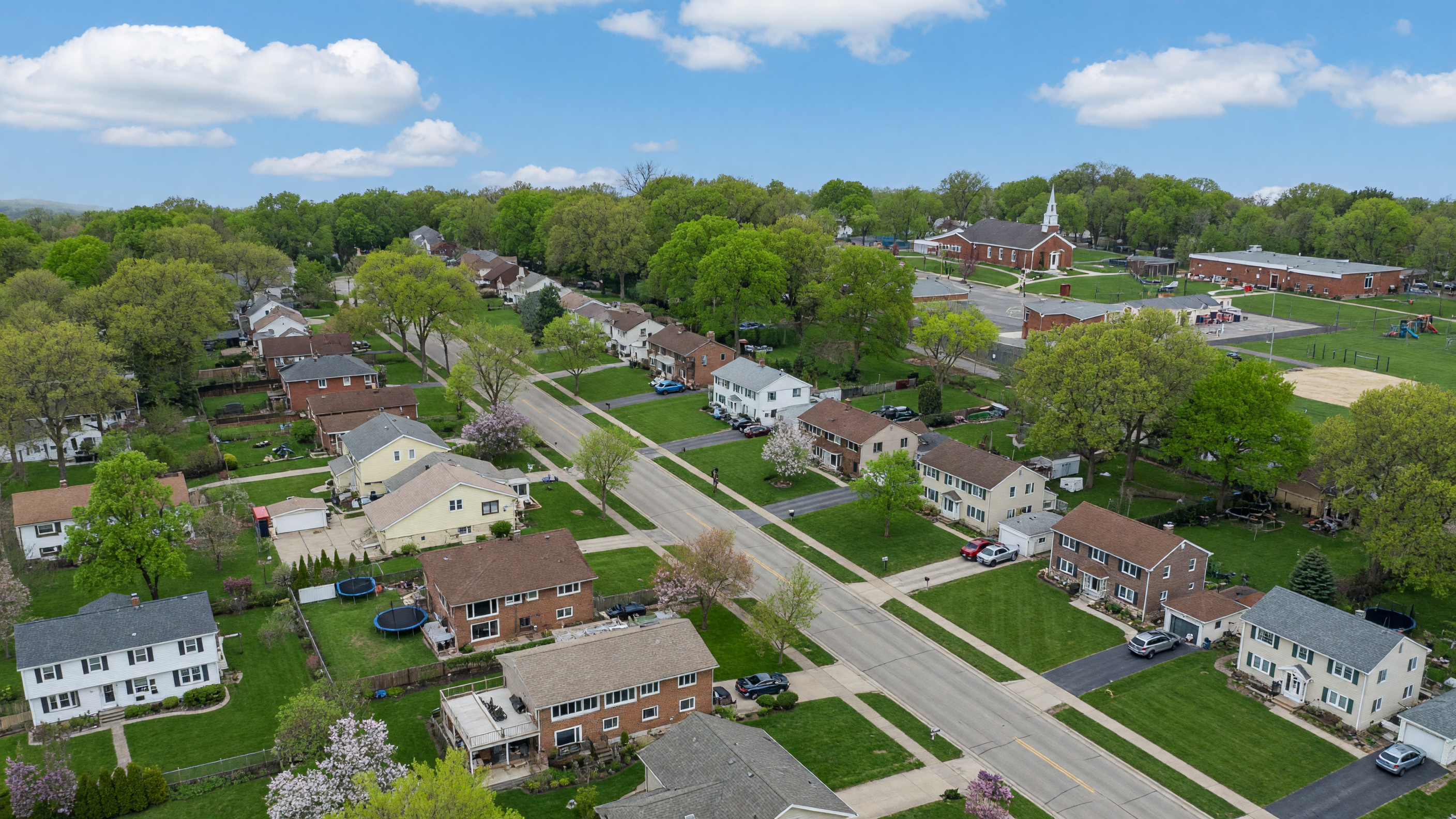
Oakland County's market remained one of the strongest in southeast Michigan, with median prices continuing to reflect the county's blend of top-rated schools, lake living, and proximity to Detroit's employment centers. Communities like Clarkston, Lake Orion, Holly, and West Bloomfield saw continued demand, particularly in the $400,000–$800,000 range where lakefront properties and custom homes dominate.
Oakland County's year-over-year price appreciation ran in the 4–6% range, outpacing the state average in several sub-markets. The county's school districts — particularly Lake Orion Community Schools, Clarkston Community Schools, and West Bloomfield Schools — remained a primary driver of buyer interest, with families willing to pay premium prices for access to top-performing schools.
The most notable trend in Oakland County was the continued migration northward. Buyers priced out of Birmingham, Bloomfield Hills, and Rochester Hills increasingly looked to Holly, Milford, and the Oxford area for more space, larger lots, and lifestyle amenities — often at price points 20–30% below what comparable homes commanded further south. Our Oakland County community guide covers this dynamic in detail.
Livingston County: The Commuter Sweet Spot
Livingston County continued to solidify its position as one of the best lifestyle-commute balance points in the region. Brighton, Hartland, and Howell saw steady demand from buyers commuting to Ann Arbor, Detroit, and Lansing — the county's position at the intersection of US-23 and I-96 makes it accessible to all three employment centers.
Median home prices in Livingston County remained among the highest in the Mid-Michigan region, reflecting the county's strong schools, extensive parks and recreation, and family-oriented communities. The $400,000–$600,000 segment was particularly active, with new construction and renovated lakefront properties generating strong buyer interest. For relocating buyers, our Livingston County relocation guide remains a key resource.
Lapeer County: The Value Play
Lapeer County continued to attract attention from buyers seeking more land, more privacy, and more value than they can find in Oakland or Genesee counties. Communities like Almont, Metamora, and Lapeer saw increased buyer interest, particularly from those prioritizing acreage, equestrian properties, or rural character.
Lapeer's median prices remained below the regional average, making it one of the more accessible entry points for buyers who want space and a rural lifestyle without leaving the Mid-Michigan region entirely. The county also saw growing interest from remote workers who no longer needed to factor in a daily commute — a trend that benefits all of the more rural Mid-Michigan counties. Our Lapeer County community guide and Metamora equestrian guide provide deeper detail.
Shiawassee and Saginaw Counties: Affordable Character
The region's western counties — Shiawassee and Saginaw — remained the most affordable housing markets in the Mid-Michigan region. Owosso, Frankenmuth, and Birch Run continued to draw buyers — especially first-time buyers and investors — who appreciated the combination of small-town character, lower price points, and regional amenities like Frankenmuth's tourism economy and Birch Run's retail corridor.
For investors, these counties offered some of the strongest rental yield potential in the region, with lower acquisition costs and steady rental demand. Our Shiawassee & Saginaw guide and Investment opportunities guide cover the full picture.
Notable Community Developments
Beyond the numbers, 2026 saw several community-level developments that shaped the real estate landscape:
- Downtown revitalization continued. Fenton's downtown corridor saw new restaurant and retail openings, reinforcing its position as one of Genesee County's most walkable and vibrant community centers. Holly's village center also saw renewed interest from small business owners drawn to the community's outdoor recreation identity.
- New construction expanded. Several new residential subdivisions broke ground across Genesee, Oakland, and Livingston counties, particularly in the $350,000–$550,000 range. Builders responded to demand from move-up buyers seeking modern construction with open floor plans and energy-efficient systems.
- Infrastructure investments. Road improvement projects across Genesee and Oakland counties continued to enhance commute times and neighborhood accessibility. These investments have a long-term positive effect on property values in affected areas.
- Remote work continued to reshape demand. Communities like Fenton, Holly, Linden, and Milford — which offer strong lifestyle amenities without proximity to major urban employment centers — saw sustained buyer interest from remote and hybrid workers. This trend shows no signs of reversing.
What I'm Watching for 2027
Based on the market data, my client conversations, and the broader economic trends shaping southeast Michigan, here's what I'm keeping my eye on:
- Interest rates will remain the wildcard. If rates ease into the low 6% range or below, expect a surge of pent-up buyer demand — especially from first-time buyers who've been waiting on the sidelines. That would tighten inventory further and put upward pressure on prices.
- Inventory will slowly improve — but not dramatically. More sellers are expected to list in 2027 as some of the "lock-in effect" (homeowners reluctant to leave low-rate mortgages) begins to ease. However, the fundamental supply-demand imbalance in desirable Mid-Michigan communities will persist.
- New construction will play a larger role. Builders are likely to increase activity in response to sustained demand and tight existing inventory. Watch for new developments in the Fenton, Grand Blanc, Holly, and Brighton corridors — areas where land availability, school quality, and lifestyle amenities align.
- Affordable markets will gain attention. As prices rise in Genesee, Oakland, and Livingston counties, buyers will increasingly look to Lapeer, Shiawassee, and Saginaw counties for value. Communities with good highway access and lifestyle appeal — like Owosso, Lapeer, and Almont — are positioned to benefit.
- The luxury segment will remain selective. High-end buyers — especially for lakefront and estate properties — will continue to prioritize quality, location, and lifestyle over price. Well-prepared luxury listings will perform well; overpriced or poorly presented ones will struggle.
The Bottom Line
2026 confirmed what I've seen developing over the past several years: Mid-Michigan is not a temporary hot market. It's a fundamentally strong region where affordability, lifestyle, and community character create sustained demand. Prices are not inflated — they reflect real value that buyers recognize and are willing to invest in.
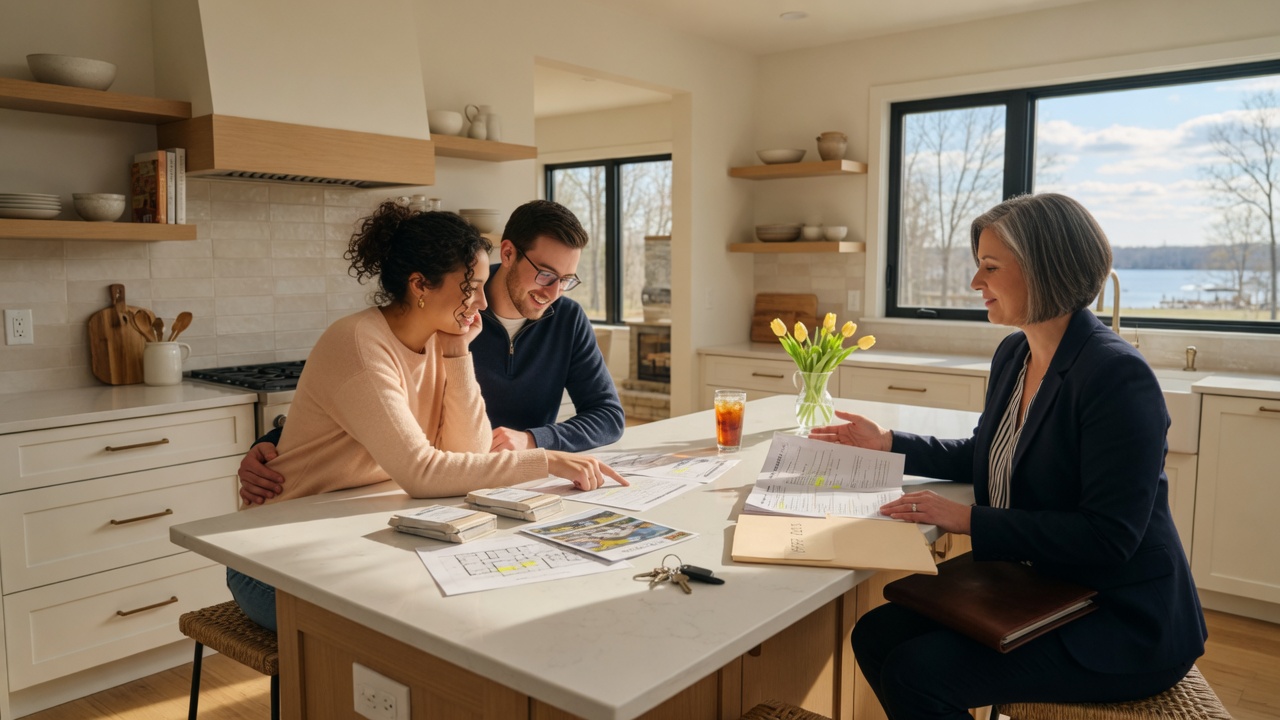
For sellers, the message is straightforward: well-priced, well-presented homes continue to attract strong buyer interest across all price points and all six counties. For buyers, the market rewards preparation, decisiveness, and a clear understanding of what you want — because the right home in the right community won't wait.
If you'd like a deeper conversation about what these trends mean for your specific situation — whether you're buying, selling, or simply planning — I'd be glad to share what I'm seeing in the market right now.
Schedule a consultation or contact me directly — let's talk about what 2027 could look like for you.